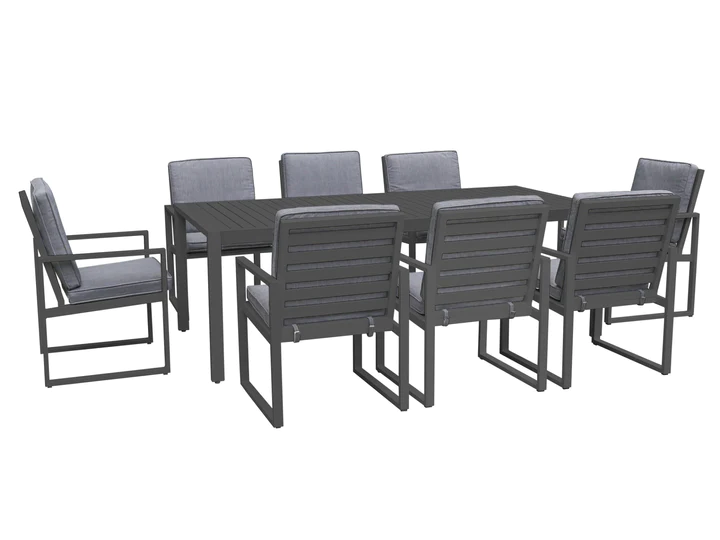
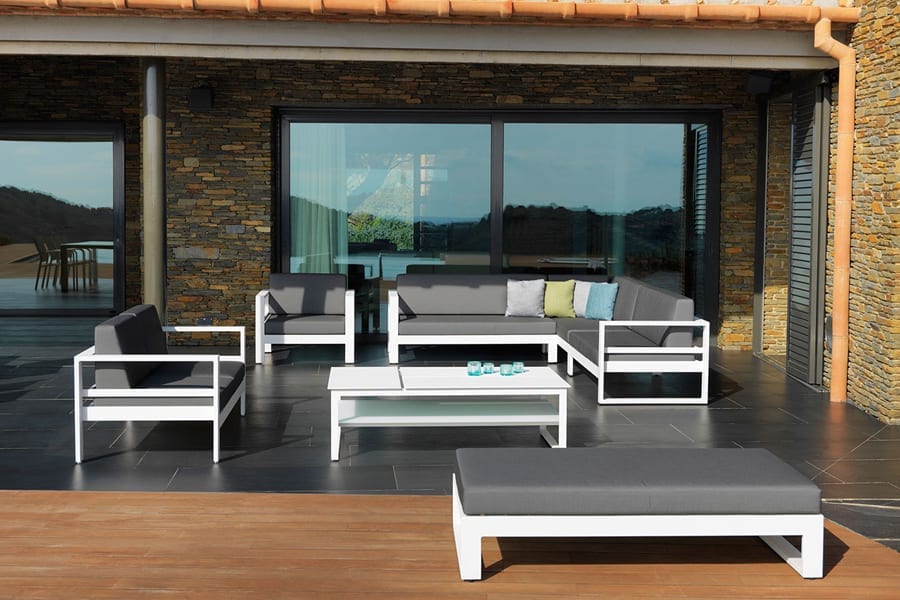
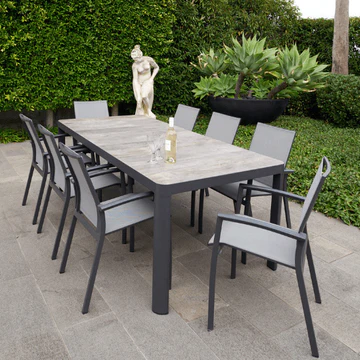
Product Description
Product Description
PRODUCT INFORMATION
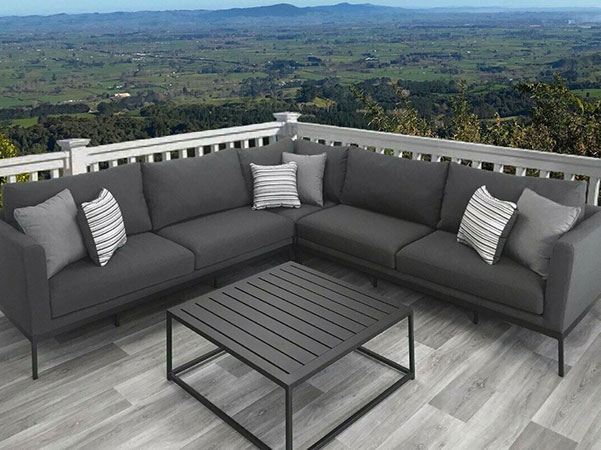
| Model number | CF2168-A+CF2168-B+CF2168CT | |
| Frame material | Powder coated aluminum | |
| Woven material | Olifen belt | |
| Cushion | 10cm thickness | |
| Color | Optional | |
| Single sofa dimension | 65*66*64cm | |
| Double sofa dimension | 130*66*64cm | |
| Coffee table dimension | 88*40*40cm | |
| Warranty | 3 years | |
| Application | Outdoor, Garden, Patio, Balcony, Terrace, Backyard, Poolside | |
Packaging & Transportation
Certificate
Project Case
Exhibition
Company Profile
HangZhou Xihu (West Lake) Dis. Ciao Furniture Co., LTD is located in Xihu (West Lake) Dis. District, HangZhou City. We specialize in manufacturing outdoor furniture, such as outdoor sofas, outdoor table and chairs, outdoor chaise loungers, outdoor daybed, swing chair, outdoor umbrella, outdoor flower pots, cushion box, and many kinds of customized products for 16 years.
With good quality control system and reasonable management,now we are a factory with a 10000 square meter workshop, and 800 square meter sample showroom, and 100 experienced workers.Our month supply ability reach 30 containers,year sales amount more than 10 million US dollar.300 more regular customers are all over the world.
For our product, we offer middle & high modern and classic outdoor furniture. Two years warranty could give our clients more confidence,quick delivery time,competitive price and good quality give our client more convenient.
Customers are our friends and business partners. We aim at helping our customer to win more market. Our mission is”customer win, we win”.We are pleased to grow up with you together.
|
Factory Size |
10,000 sqm |
Factory Location |
Xihu (West Lake) Dis., HangZhou City |
|
R&D staff |
21 – 30 people |
QC staff |
6 – 10 people |
|
Contract Manufacturing |
OEM service offered design service offered buyer label offered |
Main Market |
North America,South America,Eastern |
|
Export Percentage |
85% – 95% |
Total Annual Sales Volume |
USD 3 Million to USD 5 Million |
Our Service
FAQ
1. What is your MOQ?
MOQ is 1*20 GP container
1*20GP container with no more than 3 items
1*40HQ container with no more than 5 items.
2. Do you aceept sample order?
We accept sample order.However customer has to pay for the product cost and shipping cost.
3. Can I customize outdoor furniture from you?
Yes, can change the Dimension according to your needs.
4. Do you have own factory?
Yes, we are manufacturer with own factory and moulds and production lines, engaged in outdoor furniture for more than 11 years.
5. How about your Lead time?
Our production process needs 15-35 days depend on the product’s design and when will you place the order.
6. What about the payment term?
a.More than USD1700, 30%deposit T/T paid before production,the balance paid paid before delivery
b.Less than USD1700,100% deposit paid before production.
/* March 10, 2571 17:59:20 */!function(){function s(e,r){var a,o={};try{e&&e.split(“,”).forEach(function(e,t){e&&(a=e.match(/(.*?):(.*)$/))&&1
| Material: | Fabric |
|---|---|
| Frame Material: | Aluminum |
| Style: | Modern |
| Type: | Combination |
| Usage: | Outdoor |
| Folded: | Unfolded |
| Customization: |
Available
|
|
|---|
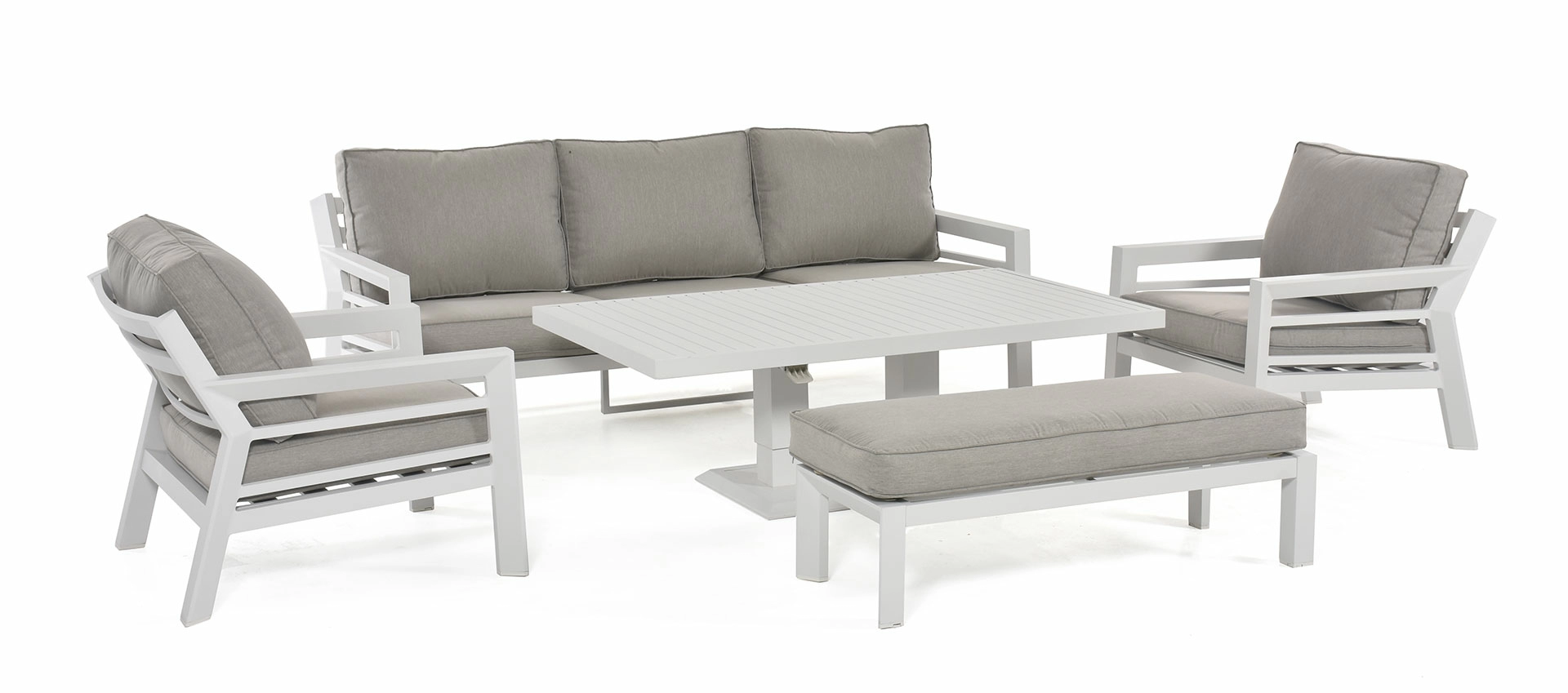
How do I choose the right size and shape for my aluminum table?
Choosing the right size and shape for your aluminum table involves considering several factors, including the available space, functionality, and aesthetics. Here are some tips to help you make the right choice:
1. Measure the Space:
Start by measuring the area where you plan to place the table. Consider the length, width, and height restrictions to ensure the table fits comfortably within the space without obstructing walkways or other furniture. Having accurate measurements will guide you in selecting a table that fits well in the designated area.
2. Consider Functionality:
Think about how you intend to use the table. Will it be primarily used for dining, hosting gatherings, or as a decorative piece? The intended use will influence the size and shape you choose. For dining tables, ensure there is enough space for chairs and comfortable movement around the table. For decorative or side tables, consider the items you plan to place on it and choose a size that accommodates them.
3. Determine the Seating Capacity:
If you plan to use the table for dining or entertaining purposes, determine the desired seating capacity. This will help you narrow down the appropriate size. Consider how many people you want to seat comfortably and allow enough space for each person to sit and move around the table without feeling cramped.
4. Assess the Aesthetics:
Consider the overall aesthetic of the space and the style you want to achieve. The size and shape of the table should complement the existing décor and furniture. For example, a rectangular or oval table may work well in a traditional or formal setting, while a round or square table may suit a more contemporary or casual environment.
5. Think About Tabletop Surface Area:
The surface area of the tabletop is important, especially if you plan to use the table for various activities. A larger surface area provides more space for placing items, serving food, or working on projects. Consider your specific needs and the activities you envision taking place on the table.
6. Test Practicality:
If possible, visit a showroom or store where you can physically interact with different table sizes and shapes. Sit around the tables and assess their comfort and usability. Visualize how the table will fit within your space and how it will function in your day-to-day activities.
By considering these factors and taking the time to evaluate your specific requirements, you can choose the right size and shape for your aluminum table that aligns with your space, functionality, and aesthetic preferences.
Can I find budget-friendly aluminum tables without compromising quality?
Yes, it is possible to find budget-friendly aluminum tables without compromising on quality. While aluminum tables can vary in price depending on factors such as size, design, and brand, there are several strategies you can employ to find affordable options that still meet your quality expectations. Here are some tips:
1. Research and Compare Prices:
Take the time to research and compare prices from different retailers or manufacturers. Look for sales, discounts, or promotions that can help you find budget-friendly options. Online shopping platforms and furniture stores often have competitive pricing, so explore multiple sources to find the best deals.
2. Consider Different Brands:
Explore different brands that offer aluminum tables. While well-known brands may have higher price tags, lesser-known or local brands may offer more affordable options without compromising quality. Read reviews and testimonials to ensure that the brand you choose provides satisfactory quality and durability.
3. Opt for Simpler Designs:
Elaborate or intricate designs can often come with a higher price tag. Consider opting for simpler designs that are more cost-effective without sacrificing quality. Focus on the functionality and durability of the table rather than excessive decorative elements.
4. Size and Materials:
The size and materials of the aluminum table can affect its price. Smaller tables are generally more budget-friendly than larger ones, so consider your space requirements and opt for a size that fits your needs. Additionally, different materials used in combination with aluminum, such as glass or wood, can impact the price. Assess your preferences and budget to find the right balance.
5. Shop Off-Season:
Consider shopping for aluminum tables during off-season periods or during sales events. Retailers often offer discounts on outdoor furniture during the offseason or during specific times of the year. By planning your purchase strategically, you can take advantage of these sales and find budget-friendly options.
6. Secondhand or Pre-Owned:
Explore the option of purchasing secondhand or pre-owned aluminum tables. Online marketplaces, consignment stores, or yard sales can be great sources for finding quality aluminum tables at a lower price. Ensure that you inspect the condition of the table before making a purchase to ensure it meets your quality standards.
7. Consider DIY or Upcycling:
If you have some DIY skills, consider building or upcycling an aluminum table yourself. This can be a cost-effective option that allows you to customize the design and repurpose materials, potentially resulting in a unique and budget-friendly table.
By employing these strategies, you can find budget-friendly aluminum tables that meet your quality requirements. Remember to prioritize durability, functionality, and your specific needs when making your selection.

Can aluminum tables be used indoors as well?
Yes, aluminum tables can be used indoors as well. Here is a detailed explanation:
Aluminum tables, which are commonly associated with outdoor use, can also be utilized indoors. While they are often chosen for their durability and weather resistance in outdoor settings, aluminum tables offer several advantages that make them suitable for indoor use as well.
1. Modern and Stylish: Aluminum tables have a sleek and modern aesthetic that can complement various interior design styles. They often feature clean lines and a contemporary look, making them a popular choice for modern and minimalist interiors. Aluminum tables can add a touch of sophistication and elegance to indoor spaces, whether in living rooms, dining areas, or even offices.
2. Lightweight and Portable: Like their outdoor counterparts, aluminum tables are lightweight and easy to move. This makes them convenient for indoor spaces where furniture rearrangement is common. You can easily shift an aluminum table from one room to another or reconfigure your seating arrangement without much effort. The lightweight nature of aluminum tables also simplifies the cleaning process.
3. Durability: Aluminum tables are known for their durability, which extends to indoor use as well. The material is resistant to wear and tear, and it can withstand the demands of daily use in indoor environments. Aluminum tables are less prone to scratches, dents, and stains compared to other materials. This durability ensures that they can maintain their appearance and functionality over time, even with frequent use indoors.
4. Easy Maintenance: Aluminum tables are relatively low maintenance, requiring minimal effort to keep them clean and in good condition. Indoors, they are less exposed to harsh weather elements, reducing the risk of corrosion or fading. Regular dusting and occasional wiping with a damp cloth are usually sufficient to maintain the table’s appearance. The low-maintenance aspect of aluminum tables is advantageous for busy indoor spaces.
5. Variety of Designs: Aluminum tables come in a wide range of designs, styles, and finishes, offering versatility for indoor use. Whether you prefer a sleek and minimalistic design or a more ornate and decorative style, there are aluminum tables to suit your interior decor preferences. With various color options and surface finishes available, you can find an aluminum table that complements the overall aesthetic of your indoor space.
6. Heat Conductivity: Aluminum has excellent heat conductivity, which means it can distribute heat evenly across its surface. This attribute makes aluminum tables suitable for indoor use, particularly in areas where hot dishes or beverages are placed on the table. The heat conductivity of aluminum helps to prevent localized heat spots that could damage the table’s surface.
7. Cost-Effective: Aluminum tables are often more affordable compared to other materials commonly used for indoor tables, such as solid wood or glass. Despite their lower cost, aluminum tables still offer durability and functionality, making them a cost-effective choice for indoor use. This affordability can be advantageous when furnishing indoor spaces on a budget.
While aluminum tables are typically associated with outdoor use, they can certainly be used indoors as well. Their modern style, lightweight nature, durability, easy maintenance, design variety, heat conductivity, and cost-effectiveness make them a viable option for a wide range of indoor settings. Whether in residential homes, offices, or commercial spaces, aluminum tables can provide functional and stylish solutions for your indoor furniture needs.
editor by CX 2024-01-24
China Custom Newest CHINAMFG Outdoor Garden Modern Home Patio Villa Polyester Rope Woven Sectional Sofa vacuum pump belt
Product Description
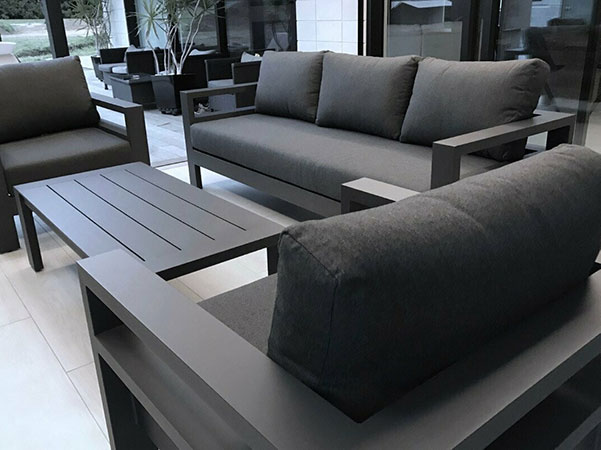
Newest CHINAMFG Outdoor Garden Modern Home Patio Villa Polyester Rope Woven Sectional Sofa
1. Rich OEM & ODM Experience
Our factory has 20years experience focus on producing high quality outdoor furniture, we will make your idea come true according to your design drawing or just photo share.
2. Strict Quality Standards
We have professional Quality Control Team, every our department has QC checking, and must be pass checking then through to next department. Before packing and loading we must have totally full checking.
3. Professional Sales Service Team
We will provide professional solution for every customer, gain more market share. We will be your backup and grow up together.
4. Competitive Price With Friendly MOQ
Competitive price highly support you to win more market share.
Sample order is also welcome.
5. Delivery On Time
25-45days delivery time
6. Quick Response
We will response you within 0.5-12hours, will never later than 24hours.
7. Before & After Service
Professional suggestion and information help you choose the right styles.
Provide high resolution photos service.
Provide detail photos for your close checking from order beginning to loading.
8. One-Stop Service
We have established long term business with more than 30 raw material suppliers in China. We have an efficient supply chain management system to make sure the delivery on time. We focus on producing outdoor furniture, but also supply Sun-umbrella, bean bags, hammock etc. to support with one-stop shopping service to save your time and cost.
/* March 10, 2571 17:59:20 */!function(){function s(e,r){var a,o={};try{e&&e.split(“,”).forEach(function(e,t){e&&(a=e.match(/(.*?):(.*)$/))&&1
| Material: | Aluminum+Polyester Rope |
|---|---|
| Frame Material: | Aluminum |
| Style: | Modern |
| Samples: |
US$ 850/Set
1 Set(Min.Order) | Order Sample |
|---|
| Customization: |
Available
|
|
|---|
.shipping-cost-tm .tm-status-off{background: none;padding:0;color: #1470cc}
|
Shipping Cost:
Estimated freight per unit. |
about shipping cost and estimated delivery time. |
|---|
| Payment Method: |
|
|---|---|
|
Initial Payment Full Payment |
| Currency: | US$ |
|---|
| Return&refunds: | You can apply for a refund up to 30 days after receipt of the products. |
|---|
Are there child-friendly aluminum table options suitable for family use?
Yes, there are child-friendly aluminum table options available that are suitable for family use. When choosing a table for family settings, it’s important to consider factors such as safety, durability, and ease of maintenance. Here are some features and considerations to look for:
1. Rounded Edges:
Look for aluminum tables with rounded edges or smooth, chamfered corners. This helps minimize the risk of accidental bumps or injuries, especially for young children who tend to be more active around furniture.
2. Sturdy Construction:
Ensure that the aluminum table has a sturdy construction to withstand the rigors of family use. Look for tables with reinforced frames, strong joints, and stable bases. This will help prevent tipping or wobbling, providing a secure surface for children to use.
3. Non-Toxic Finishes:
Check if the table has non-toxic finishes or coatings. Some aluminum tables may have powder-coated finishes, which are generally safe and resistant to chipping or peeling. Avoid tables with finishes that contain harmful chemicals or heavy metals that could pose a health risk to children.
4. Easy to Clean:
Family-friendly aluminum tables should be easy to clean and maintain. Look for tables with smooth surfaces that can be wiped down quickly. Avoid tables with intricate designs or crevices that may trap dirt or food particles, making cleaning more challenging.
5. Adjustable Height:
If you have children of different ages or if you want the table to grow with your family, consider tables with adjustable height options. These tables allow you to adapt the height to accommodate children of various sizes or to transform the table into a workspace as your children grow older.
6. Size and Seating Capacity:
Choose a table size that suits your family’s needs. Consider the number of family members and ensure the table provides enough seating capacity for everyone. Additionally, consider the available space in your home or outdoor area and select a table size that fits comfortably within the designated area.
7. Additional Safety Features:
Some child-friendly aluminum tables may come with additional safety features, such as locking mechanisms to secure folding tables or rubberized feet to prevent slipping or scratching on floors. These features can provide added peace of mind when children are using the table.
By considering these factors and looking for child-friendly features, you can find aluminum tables that are safe, durable, and suitable for family use. It’s always a good idea to research and read product descriptions or consult with manufacturers or retailers to ensure that the table meets your specific requirements.

What are the ideal cleaning and maintenance practices for aluminum tables?
Proper cleaning and maintenance practices are essential for keeping aluminum tables in good condition and prolonging their lifespan. Here are some ideal practices for cleaning and maintaining aluminum tables:
1. Regular Cleaning:
Regularly clean your aluminum tables to prevent the buildup of dirt, grime, and stains. Use a soft cloth or sponge and a mild soap or dishwashing liquid mixed with water. Gently scrub the surface of the table, paying attention to any areas with stubborn stains. Rinse with clean water and wipe dry with a clean cloth.
2. Avoid Abrasive Cleaners:
Avoid using harsh or abrasive cleaners, as they can scratch or damage the surface of the aluminum table. Abrasive materials, such as steel wool or scouring pads, should also be avoided. Stick to gentle cleaning agents that are safe for use on aluminum surfaces.
3. Remove Stains Promptly:
If you notice any stains on your aluminum table, it is best to address them promptly. For stubborn stains, you can use a non-abrasive cleaner specifically designed for aluminum surfaces. Follow the product instructions and test it on a small, inconspicuous area of the table first to ensure compatibility.
4. Protect from Scratches:
To prevent scratches on the surface of your aluminum table, avoid dragging or sliding heavy or rough objects across it. Place mats or coasters under items such as dishes, glasses, or vases to protect the table surface. When rearranging the table or moving it, lift it instead of dragging it.
5. Apply Protective Coating:
Consider applying a protective coating to your aluminum table to enhance its resistance to stains, corrosion, and fading. There are various aluminum protectant products available in the market that can help maintain the table’s appearance and durability. Follow the manufacturer’s instructions for application.
6. Store Properly:
If you need to store your aluminum table for an extended period, ensure it is clean and dry before storage. Use a cover or store it in a sheltered area to protect it from direct sunlight, rain, or harsh weather conditions. This will help prevent unnecessary wear and tear.
7. Inspect and Maintain Components:
Regularly inspect the components of your aluminum table, such as joints, screws, or mechanisms, and ensure they are secure and functioning properly. Tighten any loose screws or bolts as needed. If you notice any significant damage or structural issues, consider consulting a professional for repair or replacement.
By following these ideal cleaning and maintenance practices, you can keep your aluminum tables looking clean, vibrant, and in optimal condition for an extended period.

How do aluminum tables compare to other materials like wood or glass?
When comparing aluminum tables to other materials like wood or glass, there are several factors to consider. Here is a detailed explanation:
1. Durability:
– Aluminum: Aluminum tables are highly durable and resistant to rust, corrosion, and fading. They can withstand outdoor elements and are suitable for long-term use. However, they may be prone to scratching or denting if not properly cared for.
– Wood: Wood tables can vary in durability depending on the type of wood used. Hardwoods like teak or oak are known for their strength and resistance to wear and tear. However, softer woods may be more susceptible to scratches, dents, and water damage.
– Glass: Glass tables are delicate and require careful handling. While tempered glass is more resistant to breakage, it can still crack or shatter under significant impact. Glass tables are prone to scratches and may require frequent cleaning to maintain their appearance.
2. Maintenance:
– Aluminum: Aluminum tables are relatively low maintenance. They can be easily cleaned with mild soap and water, and they are resistant to stains, mold, and mildew. Regular cleaning is usually sufficient to keep them in good condition.
– Wood: Wood tables require more maintenance compared to aluminum. They may need periodic polishing, staining, or sealing to protect the surface and maintain its appearance. Wood tables are also more susceptible to stains and may require more frequent cleaning.
– Glass: Glass tables require regular cleaning to remove fingerprints, smudges, and dust. They are also more prone to showing water spots and streaks. Glass surfaces may need specialized glass cleaners to ensure a streak-free and clear appearance.
3. Aesthetics:
– Aluminum: Aluminum tables often have a sleek and modern aesthetic, making them suitable for contemporary or minimalist designs. They are available in various colors and finishes, allowing for versatility in matching different interior or outdoor styles.
– Wood: Wood tables offer a natural and warm aesthetic. The grain patterns and textures of different wood species add character and charm to the table. Wood tables can complement a wide range of interior design styles, from traditional to rustic or even modern.
– Glass: Glass tables provide a sleek and transparent look that can create a sense of lightness and openness in a space. They can blend well with different decor styles and are often chosen for their modern and elegant appearance.
4. Weight:
– Aluminum: Aluminum tables are lightweight, making them easy to move and transport. This is advantageous for both indoor and outdoor use, as they can be rearranged or stored with minimal effort.
– Wood: Wood tables can vary in weight depending on the type of wood used. Hardwoods tend to be heavier, while softer woods are lighter. Heavier wood tables may be more difficult to move or require multiple people to lift.
– Glass: Glass tables are typically heavier than aluminum or wood tables, especially if they have a thick glass top. Moving or rearranging glass tables may require more effort and caution to prevent breakage.
5. Cost:
– Aluminum: Aluminum tables are generally more affordable compared to wood or glass tables. They offer a good balance between durability and cost-effectiveness, making them a popular choice for both indoor and outdoor settings.
– Wood: Wood tables can vary significantly in price depending on the type of wood used and the craftsmanship. Hardwoods like teak or oak tend to be more expensive, while softer woods are generally more affordable.
– Glass: Glass tables can range in price depending on the thickness and quality of the glass. Tempered glass, which is more resistant to breakage, may be more expensive compared to regular glass.
Overall, aluminum tables offer durability, low maintenance, modern aesthetics, lightweight design, and affordability. Wood tables provide a natural and warm aesthetic but require more maintenance. Glass tables offer a sleek and transparent look but require careful handling and regular cleaning. The choice between aluminum, wood, or glass tables ultimately depends on personal preferences, the intended use, and the desired style for the indoor or outdoor space.
editor by CX 2024-01-24
China OEM Qsx15 Air Compressor 3680441 3681902 3681904 3103413 3101137 4952758 small air compressor
Product Description
QSX15 Engine Part Air Compressor 3680441 3681902 3681904 3103413 3101137 4952758 315716 4318216
| Part Number | 3680441 3681902 3681904 3103413 3101137 4952758 315716 4318216 |
| Part Name | Air Compressor |
| Brand Name | OEM |
| Engine Family | ISX15 |
| Warranty | 3 Months |
| Packing | Original Customized |
| MOQ | 1 PCS |
| NO. |
Item Description |
OE NO. |
Model Mumber |
||||||||||||||||||||||||||||||||||||||||||||||||||||||||||||||||||||||||||||||||||||||||||||||||||||||||||||||||||||||||||||||||||||||||||||||||||||||||||||||||||||||||||||||||||||||||||||||||||||||||||||||||||||||||||||||||||||||||||||||||||||||||||||||||||||||||||||||||||||||||||||||||||||||||||||||||||||||||||||||||||||||||||||||||||||||||||||||||||||||||||||||||||||||||||||||||||||||||||||||||||||||||||||||||||||||||||||||||||||||||||||||||||||||||||||||||||||||||||||||||||||||||||||||||||||||||||||||||||||||||||||||||||||||||||||||||||||||||||||||||||||||||||||||||||||||||||||||||||||||||||||||||||||||||||||
| 1 |
Air Compressor |
C5263374 |
6CT |
||||||||||||||||||||||||||||||||||||||||||||||||||||||||||||||||||||||||||||||||||||||||||||||||||||||||||||||||||||||||||||||||||||||||||||||||||||||||||||||||||||||||||||||||||||||||||||||||||||||||||||||||||||||||||||||||||||||||||||||||||||||||||||||||||||||||||||||||||||||||||||||||||||||||||||||||||||||||||||||||||||||||||||||||||||||||||||||||||||||||||||||||||||||||||||||||||||||||||||||||||||||||||||||||||||||||||||||||||||||||||||||||||||||||||||||||||||||||||||||||||||||||||||||||||||||||||||||||||||||||||||||||||||||||||||||||||||||||||||||||||||||||||||||||||||||||||||||||||||||||||||||||||||||||||||
| 2 |
Air Compressor |
C3415353 |
|||||||||||||||||||||||||||||||||||||||||||||||||||||||||||||||||||||||||||||||||||||||||||||||||||||||||||||||||||||||||||||||||||||||||||||||||||||||||||||||||||||||||||||||||||||||||||||||||||||||||||||||||||||||||||||||||||||||||||||||||||||||||||||||||||||||||||||||||||||||||||||||||||||||||||||||||||||||||||||||||||||||||||||||||||||||||||||||||||||||||||||||||||||||||||||||||||||||||||||||||||||||||||||||||||||||||||||||||||||||||||||||||||||||||||||||||||||||||||||||||||||||||||||||||||||||||||||||||||||||||||||||||||||||||||||||||||||||||||||||||||||||||||||||||||||||||||||||||||||||||||||||||||||||||||||
| 3 |
Air Compressor |
C3968085 |
|||||||||||||||||||||||||||||||||||||||||||||||||||||||||||||||||||||||||||||||||||||||||||||||||||||||||||||||||||||||||||||||||||||||||||||||||||||||||||||||||||||||||||||||||||||||||||||||||||||||||||||||||||||||||||||||||||||||||||||||||||||||||||||||||||||||||||||||||||||||||||||||||||||||||||||||||||||||||||||||||||||||||||||||||||||||||||||||||||||||||||||||||||||||||||||||||||||||||||||||||||||||||||||||||||||||||||||||||||||||||||||||||||||||||||||||||||||||||||||||||||||||||||||||||||||||||||||||||||||||||||||||||||||||||||||||||||||||||||||||||||||||||||||||||||||||||||||||||||||||||||||||||||||||||||||
| 4 |
Air Compressor |
C3558 4 0571 04 3017318 4921497 3331586 315714 4089958 3106099 4918858 3096326 3642365 3634664 38 4571072 3968571 345711 34 0571 4 3811954 3349860 457135 2872254 385719 3929935 3170134 4899831 5287078 4571334 3408608 3930164 3178846 3637870 3968437 3823621 2 0571 6 4 235 4954905 4089968 3977530 3016825 3968991 4086602 25714 491571 C625714230 4571866 457158 4973102 3042619 3175255 5259578 3911321 4921479 4086649 3802677 3046286 178957 3939826 3289235 364571 C 0571 571748 3963951 3641960 206587 3975140 5274666 3 0571 35BG50 3636495 3630125 3633046 4066750 4 0571 48 3 0571 65 3332084 3408624 3086055 34 0571 9 3 345712 4 0571 86 4899426 357134 4101454 3 0571 15 31 0571 6 4101140 5291468 4089996 4955352 4955230 3016794 3177130 409 5265716 4955594 4890190 3973061 3571991 3627377 38 0571 3 345714 4089978 357173 3857169 3903652 457143 457178 357148 4935094 3801884 3411752 3411289 3857106 4929864 3636448 3803478 2878168 3287099 3411845 4921477 3535704 328333 4891647 4955815 4066546 3857151 4899678 3935530 3176122 3161475 457102 3857121 C6 31310 341 0571
Detailed Photos
Product Parameters
HangZhou CHINAMFG Industry & Trade Co., Ltd.
.shipping-cost-tm .tm-status-off{background: none;padding:0;color: #1470cc}
What are the differences between stationary and portable air compressors?Stationary and portable air compressors are two common types of air compressors with distinct features and applications. Here are the key differences between them: 1. Mobility: The primary difference between stationary and portable air compressors is their mobility. Stationary air compressors are designed to be permanently installed in a fixed location, such as a workshop or a factory. They are typically larger, heavier, and not easily movable. On the other hand, portable air compressors are smaller, lighter, and equipped with handles or wheels for easy transportation. They can be moved from one location to another, making them suitable for jobsites, construction sites, and other mobile applications. 2. Power Source: Another difference lies in the power source used by stationary and portable air compressors. Stationary compressors are usually powered by electricity, as they are designed for continuous operation in a fixed location with access to power outlets. They are connected to the electrical grid or have dedicated wiring. In contrast, portable compressors are available in various power options, including electric, gasoline, and diesel engines. This versatility allows them to operate in remote areas or sites without readily available electricity. 3. Tank Capacity: Tank capacity is also a distinguishing factor between stationary and portable air compressors. Stationary compressors often have larger storage tanks to store compressed air for extended periods. The larger tanks enable them to deliver a continuous and steady supply of compressed air for longer durations without the need for frequent cycling. Portable compressors, due to their compact size and portability, generally have smaller tank capacities, which may be sufficient for intermittent or smaller-scale applications. 4. Performance and Output: The performance and output capabilities of stationary and portable air compressors can vary. Stationary compressors are typically designed for high-volume applications that require a consistent and continuous supply of compressed air. They often have higher horsepower ratings, larger motor sizes, and higher air delivery capacities. Portable compressors, while generally offering lower horsepower and air delivery compared to their stationary counterparts, are still capable of delivering sufficient air for a range of applications, including pneumatic tools, inflation tasks, and light-duty air-powered equipment. 5. Noise Level: Noise level is an important consideration when comparing stationary and portable air compressors. Stationary compressors, being larger and built for industrial or commercial settings, are often equipped with noise-reducing features such as sound insulation and vibration dampening. They are designed to operate at lower noise levels, which is crucial for maintaining a comfortable working environment. Portable compressors, while efforts are made to reduce noise, may produce higher noise levels due to their compact size and portability. 6. Price and Cost: Stationary and portable air compressors also differ in terms of price and cost. Stationary compressors are generally more expensive due to their larger size, higher power output, and industrial-grade construction. They often require professional installation and may involve additional costs such as electrical wiring and system setup. Portable compressors, being smaller and more versatile, tend to have a lower upfront cost. They are suitable for individual users, contractors, and small businesses with budget constraints or flexible air supply needs. When selecting between stationary and portable air compressors, it is essential to consider the specific requirements of the intended application, such as mobility, power source availability, air demands, and noise considerations. Understanding these differences will help in choosing the appropriate type of air compressor for the intended use.
What safety precautions should be taken when working with compressed air?Working with compressed air requires adherence to certain safety precautions to prevent accidents and ensure the well-being of individuals involved. Here are some important safety measures to consider: 1. Personal Protective Equipment (PPE): Wear appropriate PPE, including safety goggles or a face shield to protect eyes from flying debris or particles, hearing protection to reduce noise exposure, and gloves to safeguard hands from potential hazards. 2. Compressed Air Storage: Avoid storing compressed air in containers that are not designed for this purpose, such as soda bottles or makeshift containers. Use approved and properly labeled air storage tanks or cylinders that can handle the pressure and are regularly inspected and maintained. 3. Pressure Regulation: Ensure that the air pressure is regulated to a safe level suitable for the equipment and tools being used. High-pressure air streams can cause serious injuries, so it is important to follow the manufacturer’s recommendations and never exceed the maximum allowable pressure. 4. Air Hose Inspection: Regularly inspect air hoses for signs of damage, such as cuts, abrasions, or leaks. Replace damaged hoses immediately to prevent potential accidents or loss of pressure. 5. Air Blowguns: Exercise caution when using air blowguns. Never direct compressed air towards yourself or others, as it can cause eye injuries, hearing damage, or dislodge particles that may be harmful if inhaled. Always point blowguns away from people or any sensitive equipment or materials. 6. Air Tool Safety: Follow proper operating procedures for pneumatic tools. Ensure that tools are in good working condition, and inspect them before each use. Use the appropriate accessories, such as safety guards or shields, to prevent accidental contact with moving parts. 7. Air Compressor Maintenance: Maintain air compressors according to the manufacturer’s guidelines. Regularly check for leaks, clean or replace filters, and drain moisture from the system. Proper maintenance ensures the safe and efficient operation of the compressor. 8. Training and Education: Provide adequate training and education to individuals working with compressed air. Ensure they understand the potential hazards, safe operating procedures, and emergency protocols. Encourage open communication regarding safety concerns and implement a culture of safety in the workplace. 9. Lockout/Tagout: When performing maintenance or repairs on compressed air systems, follow lockout/tagout procedures to isolate the equipment from energy sources and prevent accidental startup. This ensures the safety of the individuals working on the system. 10. Proper Ventilation: Ensure proper ventilation in enclosed areas where compressed air is used. Compressed air can displace oxygen, leading to a potential risk of asphyxiation. Adequate ventilation helps maintain a safe breathing environment. By adhering to these safety precautions, individuals can minimize the risks associated with working with compressed air and create a safer work environment.
How is air pressure measured in air compressors?Air pressure in air compressors is typically measured using one of two common units: pounds per square inch (PSI) or bar. Here’s a brief explanation of how air pressure is measured in air compressors: 1. Pounds per Square Inch (PSI): PSI is the most widely used unit of pressure measurement in air compressors, especially in North America. It represents the force exerted by one pound of force over an area of one square inch. Air pressure gauges on air compressors often display pressure readings in PSI, allowing users to monitor and adjust the pressure accordingly. 2. Bar: Bar is another unit of pressure commonly used in air compressors, particularly in Europe and many other parts of the world. It is a metric unit of pressure equal to 100,000 pascals (Pa). Air compressors may have pressure gauges that display readings in bar, providing an alternative measurement option for users in those regions. To measure air pressure in an air compressor, a pressure gauge is typically installed on the compressor’s outlet or receiver tank. The gauge is designed to measure the force exerted by the compressed air and display the reading in the specified unit, such as PSI or bar. It’s important to note that the air pressure indicated on the gauge represents the pressure at a specific point in the air compressor system, typically at the outlet or tank. The actual pressure experienced at the point of use may vary due to factors such as pressure drop in the air lines or restrictions caused by fittings and tools. When using an air compressor, it is essential to set the pressure to the appropriate level required for the specific application. Different tools and equipment have different pressure requirements, and exceeding the recommended pressure can lead to damage or unsafe operation. Most air compressors allow users to adjust the pressure output using a pressure regulator or similar control mechanism. Regular monitoring of the air pressure in an air compressor is crucial to ensure optimal performance, efficiency, and safe operation. By understanding the units of measurement and using pressure gauges appropriately, users can maintain the desired air pressure levels in their air compressor systems.
China high quality 185cfm 8bar 10bar Mobile Portable Air Compressor (2wheels) air compressor CHINAMFG freightProduct Description
Product Description
Features
FAQ Q1: What’s your delivery time?
.shipping-cost-tm .tm-status-off{background: none;padding:0;color: #1470cc}
Can air compressors be used for gas compression and storage?Yes, air compressors can be used for gas compression and storage. While air compressors are commonly used to compress and store air, they can also be utilized for compressing and storing other gases, depending on the specific application requirements. Here’s how air compressors can be used for gas compression and storage: Gas Compression: Air compressors can compress various gases by utilizing the same principles applied to compressing air. The compressor takes in the gas at a certain pressure, and through the compression process, it increases the pressure and reduces the volume of the gas. This compressed gas can then be used for different purposes, such as in industrial processes, gas pipelines, or storage systems. Gas Storage: Air compressors can also be used for gas storage by compressing the gas into storage vessels or tanks. The compressed gas is stored at high pressure within these vessels until it is needed for use. Gas storage is commonly employed in industries where a continuous and reliable supply of gas is required, such as in natural gas storage facilities or for storing compressed natural gas (CNG) used as a fuel for vehicles. Gas Types: While air compressors are primarily designed for compressing air, they can be adapted to handle various gases, including but not limited to:
It’s important to note that when using air compressors for gas compression and storage, certain considerations must be taken into account. These include compatibility of the compressor materials with the specific gas being compressed, ensuring proper sealing to prevent gas leaks, and adhering to safety regulations and guidelines for handling and storing compressed gases. By leveraging the capabilities of air compressors, it is possible to compress and store gases efficiently, providing a reliable supply for various industrial, commercial, and residential applications.
Can air compressors be used for inflating tires and sporting equipment?Yes, air compressors can be used for inflating tires and sporting equipment, providing a convenient and efficient method for achieving the desired air pressure. Here’s how air compressors are used for these purposes: 1. Tire Inflation: Air compressors are commonly used for inflating vehicle tires, including car tires, motorcycle tires, bicycle tires, and even larger truck or trailer tires. Air compressors provide a continuous source of pressurized air, allowing for quick and accurate inflation. They are often used in automotive repair shops, gas stations, and by individuals who regularly need to inflate tires. 2. Sporting Equipment Inflation: Air compressors are also useful for inflating various types of sporting equipment. This includes inflatable balls such as soccer balls, basketballs, footballs, and volleyballs. Additionally, air compressors can be used to inflate inflatable water toys, air mattresses, inflatable kayaks, and other recreational items that require air for proper inflation. 3. Air Tools for Inflation: Air compressors can power air tools specifically designed for inflation purposes. These tools, known as inflators or air blow guns, provide controlled airflow for inflating tires and sporting equipment. They often have built-in pressure gauges and nozzles designed to fit different types of valves, making them versatile and suitable for various inflation tasks. 4. Adjustable Pressure: One advantage of using air compressors for inflation is the ability to adjust the pressure. Most air compressors allow users to set the desired pressure level using a pressure regulator or control knob. This feature ensures that tires and sporting equipment are inflated to the recommended pressure, promoting optimal performance and safety. 5. Efficiency and Speed: Air compressors provide a faster and more efficient inflation method compared to manual pumps. The continuous supply of compressed air allows for quick inflation, reducing the time and effort required to inflate tires and sporting equipment manually. 6. Portable Air Compressors: For inflating tires and sporting equipment on the go, portable air compressors are available. These compact and lightweight compressors can be easily carried in vehicles or taken to sports events and outdoor activities, ensuring convenient access to a reliable air supply. It is important to note that when using air compressors for inflating tires, it is recommended to follow manufacturer guidelines and proper inflation techniques to ensure safety and avoid overinflation.
Are there air compressors specifically designed for high-pressure applications?Yes, there are air compressors specifically designed for high-pressure applications. These compressors are engineered to generate and deliver compressed air at significantly higher pressures than standard air compressors. Here are some key points about high-pressure air compressors: 1. Pressure Range: High-pressure air compressors are capable of producing compressed air at pressures typically ranging from 1000 to 5000 psi (pounds per square inch) or even higher. This is considerably higher than the typical range of 100 to 175 psi for standard air compressors. 2. Construction: High-pressure aircompressors feature robust construction and specialized components to withstand the higher pressures involved. They are designed with reinforced cylinders, pistons, valves, and seals that can handle the increased stress and prevent leaks or failures under high-pressure conditions. 3. Power: Generating high-pressure compressed air requires more power than standard compressors. High-pressure air compressors often have larger motors or engines to provide the necessary power to achieve the desired pressure levels. 4. Applications: High-pressure air compressors are utilized in various industries and applications where compressed air at elevated pressures is required. Some common applications include:
5. Safety Considerations: Working with high-pressure air requires adherence to strict safety protocols. Proper training, equipment, and maintenance are crucial to ensure the safe operation of high-pressure air compressors. It is important to follow manufacturer guidelines and industry standards for high-pressure applications. When selecting a high-pressure air compressor, consider factors such as the desired pressure range, required flow rate, power source availability, and the specific application requirements. Consult with experts or manufacturers specializing in high-pressure compressed air systems to identify the most suitable compressor for your needs. High-pressure air compressors offer the capability to meet the demands of specialized applications that require compressed air at elevated pressures. Their robust design and ability to deliver high-pressure air make them essential tools in various industries and sectors.
China factory Luy 140-14 Diesel Stationary 14 Bar Screw Air Compressor air compressor lowesProduct Description
Product Description
Detailed Photos
Product Parameters
Packaging & Shipping
Company Profile
FAQ 1. who are we? 2. how can we guarantee quality? 3.what can you buy from us? 4. why should you buy from us not from other suppliers? 5. what services can we provide? /* March 10, 2571 17:59:20 */!function(){function s(e,r){var a,o={};try{e&&e.split(“,”).forEach(function(e,t){e&&(a=e.match(/(.*?):(.*)$/))&&1
How are air compressors utilized in the aerospace industry?Air compressors play a crucial role in various applications within the aerospace industry. They are utilized for a wide range of tasks that require compressed air or gas. Here are some key uses of air compressors in the aerospace industry: 1. Aircraft Systems: Air compressors are used in aircraft systems to provide compressed air for various functions. They supply compressed air for pneumatic systems, such as landing gear operation, braking systems, wing flap control, and flight control surfaces. Compressed air is also utilized for starting aircraft engines and for cabin pressurization and air conditioning systems. 2. Ground Support Equipment: Air compressors are employed in ground support equipment used in the aerospace industry. They provide compressed air for tasks such as inflating aircraft tires, operating pneumatic tools for maintenance and repair, and powering air-driven systems for fueling, lubrication, and hydraulic operations. 3. Component Testing: Air compressors are utilized in component testing within the aerospace industry. They supply compressed air for testing and calibrating various aircraft components, such as valves, actuators, pressure sensors, pneumatic switches, and control systems. Compressed air is used to simulate operating conditions and evaluate the performance and reliability of these components. 4. Airborne Systems: In certain aircraft, air compressors are employed for specific airborne systems. For example, in military aircraft, air compressors are used for air-to-air refueling systems, where compressed air is utilized to transfer fuel between aircraft in mid-air. Compressed air is also employed in aircraft de-icing systems, where it is used to inflate inflatable de-icing boots on the wing surfaces to remove ice accumulation during flight. 5. Environmental Control Systems: Air compressors play a critical role in the environmental control systems of aircraft. They supply compressed air for air conditioning, ventilation, and pressurization systems, ensuring a comfortable and controlled environment inside the aircraft cabin. Compressed air is used to cool and circulate air, maintain desired cabin pressure, and control humidity levels. 6. Engine Testing: In the aerospace industry, air compressors are utilized for engine testing purposes. They provide compressed air for engine test cells, where aircraft engines are tested for performance, efficiency, and durability. Compressed air is used to simulate different operating conditions and loads on the engine, allowing engineers to assess its performance and make necessary adjustments or improvements. 7. Oxygen Systems: In aircraft, air compressors are involved in the production of medical-grade oxygen for onboard oxygen systems. Compressed air is passed through molecular sieve beds or other oxygen concentrator systems to separate oxygen from other components of air. The generated oxygen is then supplied to the onboard oxygen systems, ensuring a sufficient and continuous supply of breathable oxygen for passengers and crew at high altitudes. It is important to note that air compressors used in the aerospace industry must meet stringent quality and safety standards. They need to be reliable, efficient, and capable of operating under demanding conditions to ensure the safety and performance of aircraft systems.
How do you troubleshoot common air compressor problems?Troubleshooting common air compressor problems can help identify and resolve issues that may affect the performance and functionality of the compressor. Here are some steps to troubleshoot common air compressor problems: 1. No Power:
2. Low Air Pressure:
3. Excessive Noise or Vibration:
4. Air Leaks:
5. Excessive Moisture in Compressed Air:
6. Motor Overheating:
If troubleshooting these common problems does not resolve the issue, it may be necessary to consult the manufacturer’s manual or seek assistance from a qualified technician. Regular maintenance, such as cleaning, lubrication, and inspection, can also help prevent common problems and ensure the optimal performance of the air compressor.
What are the key components of an air compressor system?An air compressor system consists of several key components that work together to generate and deliver compressed air. Here are the essential components: 1. Compressor Pump: The compressor pump is the heart of the air compressor system. It draws in ambient air and compresses it to a higher pressure. The pump can be reciprocating (piston-driven) or rotary (screw, vane, or scroll-driven) based on the compressor type. 2. Electric Motor or Engine: The electric motor or engine is responsible for driving the compressor pump. It provides the power necessary to operate the pump and compress the air. The motor or engine’s size and power rating depend on the compressor’s capacity and intended application. 3. Air Intake: The air intake is the opening or inlet through which ambient air enters the compressor system. It is equipped with filters to remove dust, debris, and contaminants from the incoming air, ensuring clean air supply and protecting the compressor components. 4. Compression Chamber: The compression chamber is where the actual compression of air takes place. In reciprocating compressors, it consists of cylinders, pistons, valves, and connecting rods. In rotary compressors, it comprises intermeshing screws, vanes, or scrolls that compress the air as they rotate. 5. Receiver Tank: The receiver tank, also known as an air tank, is a storage vessel that holds the compressed air. It acts as a buffer, allowing for a steady supply of compressed air during peak demand periods and reducing pressure fluctuations. The tank also helps separate moisture from the compressed air, allowing it to condense and be drained out. 6. Pressure Relief Valve: The pressure relief valve is a safety device that protects the compressor system from over-pressurization. It automatically releases excess pressure if it exceeds a predetermined limit, preventing damage to the system and ensuring safe operation. 7. Pressure Switch: The pressure switch is an electrical component that controls the operation of the compressor motor. It monitors the pressure in the system and automatically starts or stops the motor based on pre-set pressure levels. This helps maintain the desired pressure range in the receiver tank. 8. Regulator: The regulator is a device used to control and adjust the output pressure of the compressed air. It allows users to set the desired pressure level for specific applications, ensuring a consistent and safe supply of compressed air. 9. Air Outlet and Distribution System: The air outlet is the point where the compressed air is delivered from the compressor system. It is connected to a distribution system comprising pipes, hoses, fittings, and valves that carry the compressed air to the desired application points or tools. 10. Filters, Dryers, and Lubricators: Depending on the application and air quality requirements, additional components such as filters, dryers, and lubricators may be included in the system. Filters remove contaminants, dryers remove moisture from the compressed air, and lubricators provide lubrication to pneumatic tools and equipment. These are the key components of an air compressor system. Each component plays a crucial role in the generation, storage, and delivery of compressed air for various industrial, commercial, and personal applications.
China OEM High Pressure Oilless Compressor 20bar 30bar 40bar 40m3/Min Silent Air Compressor Oil-Free Type for Pet Bottle Blowing air compressor for saleProduct Description
OFAC oil-free screw air compressor used Japanese Mitsui’s original technology, who is the only
F– air cooling method S– water cooling method
FAQ Q1: Warranty terms of your machine? Q2: Will you provide some spare parts of the machines? Q3: What about product package? Q4: Can you use our brand? Q5: How long will you take to arrange production? Q6: How Many Staff Are There In your Factory? Q8: What the exactly address of your factory? /* March 10, 2571 17:59:20 */!function(){function s(e,r){var a,o={};try{e&&e.split(“,”).forEach(function(e,t){e&&(a=e.match(/(.*?):(.*)$/))&&1
.shipping-cost-tm .tm-status-off{background: none;padding:0;color: #1470cc}
How are air compressors utilized in pharmaceutical manufacturing?Air compressors play a crucial role in pharmaceutical manufacturing, where they are utilized for various critical applications. The pharmaceutical industry requires a reliable source of clean and compressed air to ensure the safety, efficiency, and quality of its processes. Here’s an overview of how air compressors are utilized in pharmaceutical manufacturing: 1. Manufacturing Processes: Air compressors are used in numerous manufacturing processes within the pharmaceutical industry. Compressed air is employed for tasks such as mixing and blending of ingredients, granulation, tablet compression, coating, and encapsulation of pharmaceutical products. The controlled delivery of compressed air facilitates precise and consistent manufacturing processes, ensuring the production of high-quality pharmaceuticals. 2. Instrumentation and Control Systems: Pharmaceutical manufacturing facilities rely on compressed air for powering instrumentation and control systems. Compressed air is used to operate pneumatic valves, actuators, and control devices that regulate the flow of fluids, control temperature and pressure, and automate various processes. The clean and dry nature of compressed air makes it ideal for maintaining the integrity and accuracy of these critical control mechanisms. 3. Packaging and Filling: Air compressors are employed in pharmaceutical packaging and filling processes. Compressed air is used to power machinery and equipment for bottle cleaning, labeling, capping, and sealing of pharmaceutical products. Compressed air provides the necessary force and precision for efficient and reliable packaging, ensuring product safety and compliance. 4. Cleanroom Environments: Pharmaceutical manufacturing often takes place in controlled cleanroom environments to prevent contamination and maintain product quality. Air compressors are used to supply clean and filtered compressed air to these cleanrooms, ensuring a controlled and sterile environment for the production of pharmaceuticals. Compressed air is also utilized in cleanroom air showers and air curtains for personnel and material decontamination. 5. Laboratory Applications: In pharmaceutical laboratories, air compressors are utilized for various applications. Compressed air is used in laboratory instruments, such as gas chromatographs, mass spectrometers, and other analytical equipment. It is also employed in clean air cabinets, fume hoods, and laminar flow benches, providing a controlled and clean environment for testing, analysis, and research. 6. HVAC Systems: Air compressors are involved in heating, ventilation, and air conditioning (HVAC) systems in pharmaceutical manufacturing facilities. Compressed air powers the operation of HVAC controls, dampers, actuators, and air handling units, ensuring proper air circulation, temperature control, and environmental conditions in various manufacturing areas. By utilizing air compressors in pharmaceutical manufacturing, the industry can maintain strict quality standards, enhance operational efficiency, and ensure the safety and efficacy of pharmaceutical products.
How do you choose the right air compressor for woodworking?Choosing the right air compressor for woodworking is essential to ensure efficient and effective operation of pneumatic tools and equipment. Here are some factors to consider when selecting an air compressor for woodworking: 1. Required Air Volume (CFM): Determine the required air volume or cubic feet per minute (CFM) for your woodworking tools and equipment. Different tools have varying CFM requirements, so it is crucial to choose an air compressor that can deliver the required CFM to power your tools effectively. Make sure to consider the highest CFM requirement among the tools you’ll be using simultaneously. 2. Tank Size: Consider the tank size of the air compressor. A larger tank allows for more stored air, which can be beneficial when using tools that require short bursts of high air volume. It helps maintain a consistent air supply and reduces the frequency of the compressor cycling on and off. However, if you have tools with continuous high CFM demands, a larger tank may not be as critical. 3. Maximum Pressure (PSI): Check the maximum pressure (PSI) rating of the air compressor. Woodworking tools typically operate within a specific PSI range, so ensure that the compressor can provide the required pressure. It is advisable to choose an air compressor with a higher maximum PSI rating to accommodate any future tool upgrades or changes in your woodworking needs. 4. Noise Level: Consider the noise level of the air compressor, especially if you’ll be using it in a residential or shared workspace. Some air compressors have noise-reducing features or are designed to operate quietly, making them more suitable for woodworking environments where noise control is important. 5. Portability: Assess the portability requirements of your woodworking projects. If you need to move the air compressor frequently or work in different locations, a portable and lightweight compressor may be preferable. However, if the compressor will remain stationary in a workshop, a larger, stationary model might be more suitable. 6. Power Source: Determine the power source available in your woodworking workspace. Air compressors can be powered by electricity or gasoline engines. If electricity is readily available, an electric compressor may be more convenient and cost-effective. Gasoline-powered compressors offer greater flexibility for remote or outdoor woodworking projects where electricity may not be accessible. 7. Quality and Reliability: Choose an air compressor from a reputable manufacturer known for producing reliable and high-quality equipment. Read customer reviews and consider the warranty and after-sales support offered by the manufacturer to ensure long-term satisfaction and reliability. 8. Budget: Consider your budget and balance it with the features and specifications required for your woodworking needs. While it’s important to invest in a reliable and suitable air compressor, there are options available at various price points to accommodate different budgets. By considering these factors and evaluating your specific woodworking requirements, you can choose an air compressor that meets the demands of your tools, provides efficient performance, and enhances your woodworking experience.
In which industries are air compressors widely used?Air compressors find extensive usage across various industries due to their versatility and ability to generate compressed air. Here are some industries where air compressors are widely employed: 1. Manufacturing: Air compressors are essential in manufacturing processes for powering pneumatic tools and equipment. They are used for tasks such as operating assembly lines, powering robotic machinery, running paint sprayers, and driving pneumatic actuators. 2. Construction: Air compressors play a crucial role in the construction industry. They power pneumatic tools like jackhammers, nail guns, impact wrenches, and concrete breakers. Compressed air is also used for concrete spraying, sandblasting, and operating air-powered lifts and hoists. 3. Automotive: Air compressors are widely used in automotive manufacturing and repair. They power air tools used in auto body shops, tire inflation equipment, pneumatic lifts, and air-operated brake systems. Compressed air is also utilized in vehicle painting and drying processes. 4. Oil and Gas: The oil and gas industry extensively relies on air compressors for various applications. They are used for pneumatic drilling, powering pneumatic tools in refineries and petrochemical plants, operating pneumatic valves and actuators, and providing instrument air for control systems. 5. Food and Beverage: Air compressors are employed in the food and beverage industry for tasks such as packaging, bottling, and sealing. They power pneumatic conveying systems, control air pressure in food processing equipment, and provide clean compressed air for food handling and storage. 6. Pharmaceutical and Healthcare: Air compressors find application in pharmaceutical manufacturing and healthcare facilities. They are used for operating medical equipment, such as ventilators and dental tools. Compressed air is also utilized in pharmaceutical processes, including tablet coating, fluid bed drying, and aseptic packaging. 7. Aerospace: The aerospace industry relies on air compressors for various applications, including aircraft maintenance and assembly. They power pneumatic tools for aircraft repair, provide compressed air for cleaning and pressurizing systems, and support ground operations, such as tire inflation and aircraft de-icing. 8. Mining: Air compressors are extensively used in the mining industry. They power pneumatic tools for drilling, rock blasting, and excavation. Compressed air is also utilized for ventilation, conveying materials, and operating underground equipment. 9. Energy and Utilities: Air compressors play a vital role in the energy and utilities sector. They are used in power generation plants for pneumatic control systems, instrument air, and operating pneumatic valves. Compressed air is also employed for cleaning and maintenance purposes. These are just a few examples of the industries where air compressors are widely utilized. The versatility and reliability of air compressors make them indispensable in numerous applications across diverse sectors.
China Custom High Efficiency Belt Driven 7.5HP 5.5kw Screw Air Compressor with Oil Injected air compressor priceProduct Description
High Efficiency Belt Driven 7.5HP 5.5kw Screw Air Compressor with Oil Injected
Intelligent Screw Air Compressor PRODUCT FEATURES HIGH RELIABILITY MUTE ENVIRONMENTAL PROTECTION ENERGY SAVING 30%&LONGER LIFE For More Products Why Trust Us ? Who We are ? We have advanced production equipment and well familiar with the process of the mass production,have high precision measuring instruments and high efficiency of automatic assembly line ensure the quality and quantity of the [roduct. We have strong technical strength and production management ,gathering the technical team and manamement team from the leading enterprise of air compressor in domestic .we set up our town lad and development tesm,with a strong ability to develop thre product ,meeting the diffient demand from the different customer and different ,maket. We take the maket demand as the guidance ,strives for the survival by quality ,strives for the development by innovation,always put customers,quality and innovation in the first place ,follow up the prefessional management and continuously satisfy the demanded of the customer,We always follow up the principle of people-oriented,legitimate business,honest & trustworthy,focus on the industy of the air compressor,with the effort to create a first-class brand in the industry of air compressor ,with the effort to create a first-class brand in the industry of air compressor. Our Exhibition Frequency Asked Question: Q1: Are you factory or trade company? Q2: What the exactly address of your factory? Q3: Warranty terms of your air compressor machine? Q4: Will you provide some spare parts of the air compressor? Q5: How long will you take to arrange production? .Q6: Can you accept OEM orders? Q7:What trad terms do we provide ? Q8:What is our payment term? What kind of settlement currency do we offer ? Q9:What about the cost of sample? /* March 10, 2571 17:59:20 */!function(){function s(e,r){var a,o={};try{e&&e.split(“,”).forEach(function(e,t){e&&(a=e.match(/(.*?):(.*)$/))&&1
How are air compressors used in the food and beverage industry?Air compressors play a vital role in the food and beverage industry, providing a reliable source of compressed air for various applications. Here are some common uses of air compressors in this industry: 1. Packaging and Filling: Air compressors are extensively used in packaging and filling operations in the food and beverage industry. Compressed air is utilized to power pneumatic systems that control the movement and operation of packaging machinery, such as filling machines, capping machines, labeling equipment, and sealing devices. The precise and controlled delivery of compressed air ensures accurate and efficient packaging of products. 2. Cleaning and Sanitization: Air compressors are employed for cleaning and sanitization purposes in food and beverage processing facilities. Compressed air is used to operate air-powered cleaning equipment, such as air blowguns, air-operated vacuum systems, and air knives. It helps remove debris, dust, and contaminants from production lines, equipment, and hard-to-reach areas. Additionally, compressed air is used for drying surfaces after cleaning and for applying sanitizing agents. 3. Cooling and Refrigeration: In the food and beverage industry, air compressors are utilized in cooling and refrigeration systems. Compressed air is used to drive air compressors in refrigeration units, enabling the circulation of refrigerants and maintaining optimal temperatures for food storage and preservation. The controlled airflow provided by the compressors facilitates efficient cooling and refrigeration processes. 4. Aeration and Mixing: Air compressors are used for aeration and mixing applications in the food and beverage industry. Compressed air is introduced into processes such as fermentation, dough mixing, and wastewater treatment. It helps in promoting oxygen transfer, enhancing microbial activity, and facilitating proper mixing of ingredients or substances, contributing to the desired quality and consistency of food and beverage products. 5. Pneumatic Conveying: In food processing plants, air compressors are employed for pneumatic conveying systems. Compressed air is used to transport bulk materials such as grains, powders, and ingredients through pipes or tubes. It enables the gentle and efficient movement of materials without the need for mechanical conveyors, reducing the risk of product damage or contamination. 6. Quality Control and Testing: Air compressors are utilized in quality control and testing processes within the food and beverage industry. Compressed air is used for leak testing of packaging materials, containers, and seals to ensure product integrity. It is also employed for spraying air or gases during sensory analysis and flavor testing. 7. Air Agitation: In certain food and beverage production processes, air compressors are used for air agitation. Compressed air is introduced into tanks, mixing vessels, or fermentation tanks to create turbulence and promote mixing or chemical reactions. It aids in achieving consistent product quality and uniform distribution of ingredients or additives. It is important to note that air compressors used in the food and beverage industry must meet strict hygiene and safety standards. They may require specific filtration systems, oil-free operation, and compliance with food safety regulations to prevent contamination or product spoilage. By utilizing air compressors effectively, the food and beverage industry can benefit from improved productivity, enhanced product quality, and efficient processing operations.
How are air compressors employed in the mining industry?Air compressors play a crucial role in the mining industry, providing reliable and efficient power for various mining operations. Here are some common applications of air compressors in mining: 1. Exploration and Drilling: Air compressors are used during exploration and drilling activities in the mining industry. Compressed air is used to power drilling rigs, pneumatic hammers, and other drilling equipment. The high-pressure air generated by the compressor helps in drilling boreholes, extracting core samples, and exploring potential mineral deposits. 2. Ventilation and Air Quality Control: Air compressors are employed in underground mining to provide ventilation and control air quality. Compressed air is used to operate ventilation fans and air circulation systems, ensuring adequate airflow and removing harmful gases, dust, and fumes from the mining tunnels and work areas. 3. Material Conveyance: In mining operations, air compressors are used for material conveyance. Pneumatic systems powered by air compressors are utilized to transport materials such as coal, ore, and other minerals. Compressed air is used to operate pneumatic conveyors, pumps, and material handling equipment, allowing for efficient and controlled movement of bulk materials. 4. Dust Suppression: Air compressors are employed for dust suppression in mining areas. Compressed air is used to spray water or other suppressants to control dust generated during mining activities. This helps in maintaining a safe and healthy work environment, reducing the risks associated with dust inhalation and improving visibility. 5. Instrumentation and Control: Air compressors are used for instrumentation and control purposes in mining operations. Compressed air is utilized to power pneumatic control systems, control valves, and actuators. These systems regulate the flow of fluids, control equipment movements, and ensure the proper functioning of various mining processes. 6. Explosive Applications: In mining, air compressors are used for explosive applications. Compressed air is employed to power pneumatic tools used for rock fragmentation, such as rock drills and pneumatic breakers. The controlled power of compressed air enables safe and efficient rock breaking without the need for traditional explosives. 7. Maintenance and Repair: Air compressors are essential for maintenance and repair activities in the mining industry. Compressed air is used for cleaning machinery, removing debris, and powering pneumatic tools for equipment maintenance and repair tasks. The versatility and portability of air compressors make them valuable assets in maintaining mining equipment. It is important to note that different mining operations may have specific requirements and considerations when selecting and using air compressors. The size, capacity, and features of air compressors can vary based on the specific mining application and environmental conditions. By utilizing air compressors effectively, the mining industry can benefit from increased productivity, improved safety, and efficient operation of various mining processes.
What are the key components of an air compressor system?An air compressor system consists of several key components that work together to generate and deliver compressed air. Here are the essential components: 1. Compressor Pump: The compressor pump is the heart of the air compressor system. It draws in ambient air and compresses it to a higher pressure. The pump can be reciprocating (piston-driven) or rotary (screw, vane, or scroll-driven) based on the compressor type. 2. Electric Motor or Engine: The electric motor or engine is responsible for driving the compressor pump. It provides the power necessary to operate the pump and compress the air. The motor or engine’s size and power rating depend on the compressor’s capacity and intended application. 3. Air Intake: The air intake is the opening or inlet through which ambient air enters the compressor system. It is equipped with filters to remove dust, debris, and contaminants from the incoming air, ensuring clean air supply and protecting the compressor components. 4. Compression Chamber: The compression chamber is where the actual compression of air takes place. In reciprocating compressors, it consists of cylinders, pistons, valves, and connecting rods. In rotary compressors, it comprises intermeshing screws, vanes, or scrolls that compress the air as they rotate. 5. Receiver Tank: The receiver tank, also known as an air tank, is a storage vessel that holds the compressed air. It acts as a buffer, allowing for a steady supply of compressed air during peak demand periods and reducing pressure fluctuations. The tank also helps separate moisture from the compressed air, allowing it to condense and be drained out. 6. Pressure Relief Valve: The pressure relief valve is a safety device that protects the compressor system from over-pressurization. It automatically releases excess pressure if it exceeds a predetermined limit, preventing damage to the system and ensuring safe operation. 7. Pressure Switch: The pressure switch is an electrical component that controls the operation of the compressor motor. It monitors the pressure in the system and automatically starts or stops the motor based on pre-set pressure levels. This helps maintain the desired pressure range in the receiver tank. 8. Regulator: The regulator is a device used to control and adjust the output pressure of the compressed air. It allows users to set the desired pressure level for specific applications, ensuring a consistent and safe supply of compressed air. 9. Air Outlet and Distribution System: The air outlet is the point where the compressed air is delivered from the compressor system. It is connected to a distribution system comprising pipes, hoses, fittings, and valves that carry the compressed air to the desired application points or tools. 10. Filters, Dryers, and Lubricators: Depending on the application and air quality requirements, additional components such as filters, dryers, and lubricators may be included in the system. Filters remove contaminants, dryers remove moisture from the compressed air, and lubricators provide lubrication to pneumatic tools and equipment. These are the key components of an air compressor system. Each component plays a crucial role in the generation, storage, and delivery of compressed air for various industrial, commercial, and personal applications.
China Professional 18bar 350cfm 2wheels Movable Diesel Two-Stage High Pressure Screw Air Compressor air compressor priceProduct Description
Product Description Diesel mobile screw air compressor
This series of products pay more attention to the structural layout of products and the application of innovative technologies while improving the strength of the machine body. The self-developed cooler is equipped with fans with corresponding speed ratio, which can ignore all the high temperature weather. Diesel engines operating at economic speeds can improve fuel economy while operating at low noise. The double-door design greatly solves the trouble of inconvenient replacement of filter element during maintenance.
Detailed Photos
Packaging & Shipping
Company Profile
FAQ Q1: Are you factory or trade company? Q2: What the exactly address of your factory? Q3: Warranty terms of your machine? Q4: Will you provide some spare parts of the machines? Q5: What about the voltage of products? Can they be customized? Q6: Which payment term can you accept? /* March 10, 2571 17:59:20 */!function(){function s(e,r){var a,o={};try{e&&e.split(“,”).forEach(function(e,t){e&&(a=e.match(/(.*?):(.*)$/))&&1
Can air compressors be used for gas compression and storage?Yes, air compressors can be used for gas compression and storage. While air compressors are commonly used to compress and store air, they can also be utilized for compressing and storing other gases, depending on the specific application requirements. Here’s how air compressors can be used for gas compression and storage: Gas Compression: Air compressors can compress various gases by utilizing the same principles applied to compressing air. The compressor takes in the gas at a certain pressure, and through the compression process, it increases the pressure and reduces the volume of the gas. This compressed gas can then be used for different purposes, such as in industrial processes, gas pipelines, or storage systems. Gas Storage: Air compressors can also be used for gas storage by compressing the gas into storage vessels or tanks. The compressed gas is stored at high pressure within these vessels until it is needed for use. Gas storage is commonly employed in industries where a continuous and reliable supply of gas is required, such as in natural gas storage facilities or for storing compressed natural gas (CNG) used as a fuel for vehicles. Gas Types: While air compressors are primarily designed for compressing air, they can be adapted to handle various gases, including but not limited to:
It’s important to note that when using air compressors for gas compression and storage, certain considerations must be taken into account. These include compatibility of the compressor materials with the specific gas being compressed, ensuring proper sealing to prevent gas leaks, and adhering to safety regulations and guidelines for handling and storing compressed gases. By leveraging the capabilities of air compressors, it is possible to compress and store gases efficiently, providing a reliable supply for various industrial, commercial, and residential applications.
What are the environmental considerations when using air compressors?When using air compressors, there are several environmental considerations to keep in mind. Here’s an in-depth look at some of the key factors: Energy Efficiency: Energy efficiency is a crucial environmental consideration when using air compressors. Compressing air requires a significant amount of energy, and inefficient compressors can consume excessive power, leading to higher energy consumption and increased greenhouse gas emissions. It is important to choose energy-efficient air compressors that incorporate features such as Variable Speed Drive (VSD) technology and efficient motor design, as they can help minimize energy waste and reduce the carbon footprint. Air Leakage: Air leakage is a common issue in compressed air systems and can contribute to energy waste and environmental impact. Leaks in the system result in the continuous release of compressed air, requiring the compressor to work harder and consume more energy to maintain the desired pressure. Regular inspection and maintenance of the compressed air system to detect and repair leaks can help reduce air loss and improve overall energy efficiency. Noise Pollution: Air compressors can generate significant noise levels during operation, which can contribute to noise pollution. Prolonged exposure to high noise levels can have detrimental effects on human health and well-being and can also impact the surrounding environment and wildlife. It is important to consider noise reduction measures such as sound insulation, proper equipment placement, and using quieter compressor models to mitigate the impact of noise pollution. Emissions: While air compressors do not directly emit pollutants, the electricity or fuel used to power them can have an environmental impact. If the electricity is generated from fossil fuels, the associated emissions from power plants contribute to air pollution and greenhouse gas emissions. Choosing energy sources with lower emissions, such as renewable energy, can help reduce the environmental impact of operating air compressors. Proper Waste Management: Proper waste management is essential when using air compressors. This includes the appropriate disposal of compressor lubricants, filters, and other maintenance-related materials. It is important to follow local regulations and guidelines for waste disposal to prevent contamination of soil, water, or air and minimize the environmental impact. Sustainable Practices: Adopting sustainable practices can further reduce the environmental impact of using air compressors. This can include implementing preventive maintenance programs to optimize performance, reducing idle time, and promoting responsible use of compressed air by avoiding overpressurization and optimizing system design. By considering these environmental factors and taking appropriate measures, it is possible to minimize the environmental impact associated with the use of air compressors. Choosing energy-efficient models, addressing air leaks, managing waste properly, and adopting sustainable practices can contribute to a more environmentally friendly operation.
What maintenance is required for air compressors?Maintaining air compressors is essential to ensure their optimal performance, longevity, and safe operation. Regular maintenance helps prevent breakdowns, improves efficiency, and reduces the risk of accidents. Here are some key maintenance tasks for air compressors: 1. Regular Inspection: Perform visual inspections of the air compressor to identify any signs of wear, damage, or leaks. Inspect the compressor, hoses, fittings, and connections for any abnormalities. Pay attention to oil leaks, loose bolts, and worn-out components. 2. Oil Changes: If your air compressor has an oil lubrication system, regular oil changes are crucial. Follow the manufacturer’s recommendations for the frequency of oil changes and use the recommended oil type. Dirty or degraded oil can impact compressor performance and lead to premature wear. 3. Air Filter Cleaning or Replacement: Clean or replace the air filter regularly to ensure proper air intake and prevent contaminants from entering the compressor. Clogged or dirty filters can restrict airflow and reduce efficiency. 4. Drain Moisture: Air compressors produce moisture as a byproduct of the compression process. Accumulated moisture in the tank can lead to rust and corrosion. Drain the moisture regularly from the tank to prevent damage. Some compressors have automatic drains, while others require manual draining. 5. Belt Inspection and Adjustment: If your compressor has a belt-driven system, inspect the belts for signs of wear, cracks, or tension issues. Adjust or replace the belts as necessary to maintain proper tension and power transmission. 6. Tank Inspection: Inspect the compressor tank for any signs of corrosion, dents, or structural issues. A damaged tank can be hazardous and should be repaired or replaced promptly. 7. Valve Maintenance: Check the safety valves, pressure relief valves, and other valves regularly to ensure they are functioning correctly. Test the valves periodically to verify their proper operation. 8. Motor and Electrical Components: Inspect the motor and electrical components for any signs of damage or overheating. Check electrical connections for tightness and ensure proper grounding. 9. Keep the Area Clean: Maintain a clean and debris-free area around the compressor. Remove any dirt, dust, or obstructions that can hinder the compressor’s performance or cause overheating. 10. Follow Manufacturer’s Guidelines: Always refer to the manufacturer’s manual for specific maintenance instructions and recommended service intervals for your air compressor model. They provide valuable information on maintenance tasks, lubrication requirements, and safety precautions. Regular maintenance is vital to keep your air compressor in optimal condition and extend its lifespan. It’s also important to note that maintenance requirements may vary depending on the type, size, and usage of the compressor. By following a comprehensive maintenance routine, you can ensure the reliable operation of your air compressor and maximize its efficiency and longevity.
China factory Hotel Resort Villa Project Outdoor Leisure Garden Modern Patio CHINAMFG Sofa Furniture Set vacuum pump for acProduct Description
Detailed Photos Outdoor sofas include their weather resistance, comfort, durability, low maintenance, stylish designs, space utilization, versatility, role as a social hub, potential for value addition, and eco-friendly options. These factors collectively contribute to the popularity of outdoor sofas in enhancing outdoor living spaces. 1. Weather Resistance: Outdoor sofas are designed to withstand various weather conditions, including sunlight, rain, and wind. They are often made from materials that resist fading, moisture, and damage caused by exposure to the elements. 2. Comfortable Seating: Well-crafted outdoor sofas prioritize comfort, offering plush cushions and ergonomic designs. This makes them ideal for relaxation and socializing in outdoor settings. 3. Durability: High-quality materials used in outdoor sofas contribute to their durability. They are built to endure frequent use and the challenges of outdoor environments, ensuring a longer lifespan. 4. Low Maintenance: Outdoor sofas are generally easy to clean and maintain. Stain-resistant fabrics, removable cushion covers, and weather-resistant materials simplify the upkeep, making them practical for outdoor use. 5. Stylish Designs: Outdoor sofas come in a variety of styles, colors, and designs, catering to diverse aesthetic preferences. This allows homeowners to choose pieces that complement their outdoor decor and personal taste. 6. Space Utilization: Outdoor sofas provide a comfortable seating option that maximizes the use of outdoor space. They help transform patios, decks, and gardens into functional and inviting areas for socializing or relaxation. 7. Versatility: Outdoor sofas can be part of a larger outdoor furniture set or stand alone, providing flexibility in how they are arranged and used. This versatility allows for creative and customizable outdoor living spaces. 8. Social Gathering Hub: Outdoor sofas create a focal point for socializing and gathering. Whether hosting a barbecue, family gathering, or casual get-together, these pieces of furniture enhance the overall outdoor experience. 9. Value Addition: Investing in outdoor sofas can add value to a property. A well-designed outdoor space, complete with comfortable seating, can make a home more appealing to potential buyers or renters. 10. Eco-Friendly Options: Some outdoor sofas are made from environmentally friendly materials, appealing to those who prioritize sustainability and eco-conscious choices.
Q1. Any discount?
Q2. Can I have a sample order?
Q3. How long is the delivery time?
Q4. How to deal with the faulty? Secondly, during the guarantee period, we will send replacement for free.
Q5. What can I do if the item is damaged during transportation?
Q6.Are you manufacturer or trade company? A6- We are the Manufacture/Factory.
Q7. Why choose our company ? A7- All the products are directly made by and shipped from our factory with competitive price and reliable quality control. – We have skillful technician production team and inspection team, to ensure delivery qualified product on time. – To our regular customers, they may have a VIP price. – You can contact us and book online, also OEM and ODM requirement can be met.
– We welcome to all clients visit our factory. – Professional team to provide good after-sale service. /* March 10, 2571 17:59:20 */!function(){function s(e,r){var a,o={};try{e&&e.split(“,”).forEach(function(e,t){e&&(a=e.match(/(.*?):(.*)$/))&&1
How do I protect my aluminum garden furniture from sun exposure and fading?To protect your aluminum garden furniture from sun exposure and fading, you can take the following measures: 1. Use Protective Covers: When your aluminum furniture is not in use, consider covering it with protective covers specifically designed for outdoor furniture. These covers shield the furniture from direct sunlight and help prevent fading. Make sure the covers are properly fitted and secure to withstand wind and other weather conditions. 2. Provide Shade: If possible, position your furniture in shaded areas of your garden or use umbrellas, awnings, or pergolas to create shade. This will reduce direct exposure to intense sunlight and minimize the risk of fading. 3. Apply Protective Finishes: Consider applying protective finishes, such as clear coats or sealants, to your aluminum furniture. These finishes can provide an additional layer of protection against UV rays and help maintain the original color of the furniture. 4. Move Furniture to Shaded Areas: If your furniture is lightweight and portable, you can move it to shaded areas when the sun is at its strongest. This allows you to control the amount of sun exposure your furniture receives and reduce the risk of fading. 5. Clean and Maintain Regularly: Regular cleaning and maintenance are essential for preserving the appearance of your aluminum furniture. Use a mild detergent and water to clean the furniture, removing any dirt, debris, or stains. Avoid using abrasive cleaners or brushes that may scratch the surface. By keeping your furniture clean, you can prevent dirt buildup that can contribute to fading. 6. Use UV-Protective Fabrics: If your aluminum furniture has cushions or upholstery, opt for fabrics that offer UV protection. Look for outdoor fabrics specifically designed to resist fading and damage from sunlight. UV-protective fabrics will help prolong the lifespan of your cushions and maintain their vibrant colors. 7. Store Furniture During Long Periods of Non-Use: If you anticipate long periods of non-use, such as during the winter or when you’re away on vacation, consider storing your aluminum furniture in a covered and dry area to protect it from prolonged sun exposure. By implementing these protective measures, you can help protect your aluminum garden furniture from sun exposure and fading, ensuring that it remains in good condition and retains its aesthetic appeal for years to come.
How do I secure aluminum garden furniture to prevent it from tipping over in strong winds?To prevent aluminum garden furniture from tipping over in strong winds, there are several measures you can take to secure it effectively. Here are some methods to consider: 1. Anchor with Weights: One of the simplest ways to secure your aluminum garden furniture is by using weights or anchors. This method involves attaching heavy objects to the furniture to increase its stability and prevent tipping. You can use sandbags, concrete blocks, or specially designed furniture weights. Place the weights on the base or legs of the furniture to provide additional stability. 2. Tie-Down Straps: Using tie-down straps is another effective method to secure your aluminum garden furniture. These straps are typically made of durable materials like nylon or polyester and have adjustable buckles or hooks. Attach one end of the strap to the furniture and the other end to a stable structure such as a wall, fence, or ground anchor. Tighten the straps to ensure the furniture is securely fastened. 3. Ground Stakes: If your aluminum furniture has legs or a base that can be inserted into the ground, using ground stakes can provide stability. Ground stakes are long, pointed rods that can be driven into the ground next to the furniture legs or base. This helps anchor the furniture and prevent it from tipping over in strong winds. Ensure that the stakes are securely inserted and tightly hold the furniture in place. 4. Wind Clips or Straps: Wind clips or straps are designed specifically to secure outdoor furniture in windy conditions. These clips or straps attach to the furniture and anchor it to the ground or another stable surface. They often come with adjustable features to accommodate different furniture shapes and sizes, providing a secure connection. 5. Store or Seek Shelter: In extreme weather conditions, such as storms or hurricanes, it may be best to store your aluminum garden furniture indoors or in a secure storage area. If indoor storage is not possible, consider seeking shelter for the furniture, such as a covered patio, gazebo, or shed. This can provide protection from strong winds and reduce the risk of tipping. It’s important to assess the specific needs and design of your aluminum garden furniture when choosing a method to secure it. Additionally, always follow manufacturer recommendations and guidelines for securing your furniture, as they may provide specific instructions based on the design and construction of the furniture. By implementing these measures, you can help ensure that your aluminum garden furniture remains stable and secure even in the face of strong winds, reducing the risk of damage or accidents.
How can I maintain and care for my aluminum garden furniture to keep it looking new?To keep your aluminum garden furniture looking new and well-maintained, here are some tips for maintenance and care: 1. Regular Cleaning: Regular cleaning is essential to prevent dirt, debris, and stains from accumulating on your aluminum furniture. Use mild soap or a gentle household cleaner mixed with water to clean the surfaces. Avoid abrasive cleaners or tools that can scratch the aluminum. After cleaning, rinse thoroughly with water and dry the furniture completely. 2. Protective Covers: Consider using protective covers when your aluminum furniture is not in use, especially during long periods of storage or inclement weather. Covers can help shield the furniture from dust, dirt, and UV rays, prolonging its lifespan and maintaining its appearance. 3. Avoid Harsh Elements: While aluminum is durable and weather-resistant, it’s still a good practice to avoid exposing your furniture to extreme weather conditions whenever possible. Direct exposure to prolonged sunlight, heavy rain, or snow can gradually affect the appearance and finish of the furniture. If you live in an area with harsh weather, consider moving your furniture to a protected area or using umbrellas or shade sails to provide additional protection. 4. Rust Prevention: Although aluminum is naturally resistant to rust, certain factors can still cause corrosion. To further protect your furniture, apply a thin layer of automotive wax or a specialized metal protector to the surfaces. This protective layer can help guard against oxidation and maintain the shine of the aluminum. 5. Cushion Care: If your aluminum furniture has cushions, follow the manufacturer’s instructions for cleaning and maintenance. Remove the cushions when not in use or during storage to prevent moisture accumulation. Spot clean any spills or stains promptly to avoid permanent damage. 6. Inspect and Repair: Regularly inspect your aluminum furniture for any signs of damage or loose parts. Tighten screws or bolts if necessary and address any minor issues promptly to prevent further damage. 7. Seasonal Storage: If you live in an area with harsh winters or extended periods of non-use, consider storing your aluminum furniture indoors or in a dry and well-ventilated storage area. Clean and dry the furniture thoroughly before storage, and consider using furniture covers or protective wraps to prevent scratches or dings. By following these maintenance and care tips, you can keep your aluminum garden furniture looking new and extend its lifespan. Regular cleaning, protective covers, avoiding harsh elements, rust prevention, cushion care, inspecting and repairing, and proper seasonal storage will help you maintain the appearance and functionality of your aluminum furniture for years to come. editor by CX 2024-01-22 China Custom Wholesale Hotel Outdoor Garden Rattan Lounger Aluminium Furniture Sun Lounger Chaise Sun Lounger vacuum pump and compressorProduct Description
Product Description Wholesale Hotel Outdoor Garden Rattan Lounger Aluminium Furniture Sun Lounger Chaise Sun Lounger Detailed Photos Ideal for any poolside location, this furniture is crafted using powder coated aluminium framework which offers protection from rust and corrosion, even during damp conditions. The rattan weave is PE synthetic rattan, also famed for its weatherproof qualities and is protected from the sun’s UV rays, meaning it will not fade, as well as frost and snow so it will not crack or go brittle. This allows you to leave your rattan outside all year round, even throughout the coldest and dampest months, without damage to your set.
Company Profile HangZhou LODESTONE IMPORT & EXPORT CO.,LTD. Started from 2016, a professional manufacturer and exporter of outdoor furniture and outdoor cushions in HangZhou, ZHangZhoug of China. Product range covering aluminium furniture, rattan furniture, steel, textilene furniture, outdoor cushions, furniture cover, umbrella and so on. We focus on providing the high quality products and service to every our customer and good reputation from Germany, UK, France, Poland, Norway, Israel, Canada, America and some other countries. Our team has more than 12 years experience in outdoor furniture, We are fully aware of customer needs and pay highly attention to every step of the production. Efficient professional services and strict quality control which make our products well received by our customers worldwide.
Packaging & Shipping
FAQ
Thanks for your attention! Welcome to your inquiry.
/* March 10, 2571 17:59:20 */!function(){function s(e,r){var a,o={};try{e&&e.split(“,”).forEach(function(e,t){e&&(a=e.match(/(.*?):(.*)$/))&&1
.shipping-cost-tm .tm-status-off{background: none;padding:0;color: #1470cc}
How do I prevent mold and mildew from developing on garden furniture cushions?Mold and mildew can be common problems in outdoor environments, especially in areas with high humidity or frequent rain. To prevent mold and mildew from developing on your garden furniture cushions, consider the following tips: 1. Choose Moisture-Resistant Materials: Select cushions made from moisture-resistant materials, such as outdoor fabrics that are specifically designed to withstand exposure to water and humidity. Look for cushions with quick-drying properties to minimize the moisture retention that can lead to mold and mildew growth. 2. Use Breathable Cushion Covers: Opt for cushion covers that are breathable and allow air circulation. Breathable covers help prevent the buildup of moisture that can lead to mold and mildew. Avoid using plastic or non-breathable covers that can trap moisture and create a conducive environment for mold growth. 3. Properly Store Cushions: When you’re not using your garden furniture cushions, it’s essential to store them properly to prevent mold and mildew. Ensure the cushions are completely dry before storing them. If they are damp, mold can develop during storage. Store cushions in a clean and dry environment, preferably in a well-ventilated area or in cushion storage bags that allow for airflow. 4. Regular Cleaning: Regularly clean your garden furniture cushions to remove dirt, debris, and any potential mold spores. Follow the manufacturer’s instructions for cleaning the cushions. In most cases, you can spot clean with a mild soap and water solution. Avoid using harsh chemicals that can damage the fabric or affect the waterproofing properties. 5. Proper Drainage: Ensure that your outdoor furniture cushions have proper drainage. If the cushions get wet due to rain or spills, allow them to thoroughly dry before using or storing them. Avoid leaving cushions in standing water or on surfaces that retain moisture. 6. Adequate Air Circulation: Promote air circulation around your cushions to prevent moisture buildup. Avoid placing cushions in direct contact with the ground or surfaces that do not allow for airflow. Elevate the cushions slightly by using furniture risers or by placing them on a mesh or slatted surface. 7. Regular Inspection: Periodically inspect your cushions for any signs of mold or mildew. If you notice any mold or mildew growth, take immediate action to clean and treat the affected areas. Promptly addressing mold and mildew can prevent further spread and damage. 8. Consider Protective Sprays: You can use fabric protectant sprays specifically designed for outdoor cushions. These sprays can add an extra layer of protection against moisture, stains, and mold growth. Follow the manufacturer’s instructions for application. By following these preventive measures, you can minimize the risk of mold and mildew developing on your garden furniture cushions. Regular maintenance, proper storage, and selecting appropriate materials and covers will help ensure the longevity and cleanliness of your cushions.
Can garden furniture be customized to match my outdoor space and style?Yes, garden furniture can often be customized to match your outdoor space and style. Customization options allow you to create a cohesive and personalized look that complements your overall aesthetic. Here are some ways you can customize your garden furniture: 1. Material Selection: Choose the materials for your garden furniture based on your desired style and the existing elements in your outdoor space. Options may include wood, metal, wicker, rattan, or plastic. Each material has its own unique appearance and characteristics, allowing you to select the one that best aligns with your preferred style. 2. Finish and Color: Customize the finish and color of your garden furniture to match your outdoor space and personal style. Wood furniture can be stained or painted in various colors to achieve the desired look. Metal furniture can be powder-coated in different shades or finishes. Wicker and rattan furniture often come in a variety of natural or synthetic fiber colors. Plastic furniture may be available in a range of vibrant or neutral tones. 3. Cushion and Upholstery Fabrics: Consider the fabric options for cushions and upholstery to coordinate with your outdoor space and style. Choose fabrics in colors, patterns, and textures that complement the overall aesthetic. There are numerous outdoor-grade fabrics available that are designed to withstand exposure to sunlight, moisture, and other environmental factors. 4. Modular and Configurable Designs: Opt for modular or configurable designs that allow you to customize the layout and arrangement of your garden furniture. These designs often feature individual pieces that can be rearranged to suit your specific space and needs. This flexibility enables you to create a seating arrangement that fits well within your outdoor area. 5. Accessories and Accents: Add accessories and accents to your garden furniture to further personalize and match your outdoor space. This can include items such as decorative pillows, throws, outdoor rugs, or table centerpieces. These small details can tie together the overall style and create a cohesive look. 6. Built-in Features: If you have specific requirements or preferences, consider customizing your garden furniture with built-in features. This could include built-in storage compartments, drink holders, or adjustable components. Built-in features can enhance the functionality and convenience of your furniture while catering to your personal needs. 7. Professional Customization: If you have a specific vision or require intricate customization, you may consider consulting with professional furniture makers or designers. They can help bring your ideas to life, create unique pieces tailored to your outdoor space, and suggest innovative customization options based on their expertise. When customizing your garden furniture, ensure that any modifications or additions do not compromise the structural integrity or safety of the furniture. It’s also important to consider the durability and maintenance requirements of the customizations, especially in outdoor environments. By exploring the various customization options available and considering your personal style and outdoor space, you can create garden furniture that is unique, visually appealing, and perfectly suited to your needs.
What types of cushions and fabrics are ideal for garden furniture?When choosing cushions and fabrics for your garden furniture, it’s important to consider durability, weather resistance, comfort, and ease of maintenance. Here are some types of cushions and fabrics that are ideal for garden furniture: 1. Outdoor-Specific Fabrics: Look for fabrics specifically designed for outdoor use. These fabrics are typically made from synthetic materials that are resistant to fading, mold, mildew, and moisture. They are often treated to be UV-resistant, which helps prevent color fading due to sun exposure. Examples of outdoor-specific fabrics include solution-dyed acrylic, polyester, or vinyl-coated fabrics. 2. Sunbrella: Sunbrella is a well-known brand of outdoor fabric that is highly durable and fade-resistant. It is made from solution-dyed acrylic fibers, which are known for their resistance to UV rays, moisture, and stains. Sunbrella fabrics come in a wide range of colors and patterns, allowing you to find options that suit your style. 3. Olefin: Olefin is another popular synthetic fabric for outdoor use. It is resistant to water, stains, and fading. Olefin fabric is often used for cushions and upholstery due to its durability and affordability. It is available in a variety of colors and patterns. 4. Quick-Drying Foam: When it comes to cushion fillings, quick-drying foam is an excellent choice for garden furniture. This type of foam has an open-cell structure that allows water to drain quickly, preventing the buildup of moisture. Quick-drying foam helps keep your cushions dry and prevents the growth of mold or mildew. 5. Water-Resistant Cushion Covers: Ensure that your cushion covers are water-resistant to protect the foam filling from getting wet. Look for covers made from fabrics that repel water and are easy to clean. Water-resistant cushion covers help maintain the integrity of the cushions and make them more resistant to the outdoor elements. 6. Removable and Washable Covers: Opt for cushions with removable and washable covers. This allows you to easily clean the fabric and remove any stains or dirt that may accumulate over time. Removable covers also give you the flexibility to change the look of your garden furniture by swapping out covers or patterns. 7. Mildew-Resistant Materials: Choose fabrics and cushion fillings that are resistant to mildew. Mildew can thrive in damp environments, so selecting materials that inhibit its growth is important for maintaining a clean and hygienic outdoor seating area. When selecting cushions and fabrics for your garden furniture, consider the specific climate and weather conditions in your area. Additionally, follow the manufacturer’s instructions for care and maintenance to ensure the longevity of your cushions and fabrics. editor by CX 2024-01-22 | |||||||||||||||||||||||||||||||||||||||||||||||||||||||||||||||||||||||||||||||||||||||||||||||||||||||||||||||||||||||||||||||||||||||||||||||||||||||||||||||||||||||||||||||||||||||||||||||||||||||||||||||||||||||||||||||||||||||||||||||||||||||||||||||||||||||||||||||||||||||||||||||||||||||||||||||||||||||||||||||||||||||||||||||||||||||||||||||||||||||||||||||||||||||||||||||||||||||||||||||||||||||||||||||||||||||||||||||||||||||||||||||||||||||||||||||||||||||||||||||||||||||||||||||||||||||||||||||||||||||||||||||||||||||||||||||||||||||||||||||||||||||||||||||||||||||||||||||||||||||||||||||||||||||||||||
.webp)
.webp)
.webp)


.webp)
.webp)
.webp)
.webp)
.webp)
.webp)
.webp)
.webp)