Product Description
Anti-UV Outdoor/Exterior Furniture Use Pure Polyester Powder Coating Paint
Product detail
| Type |
Epoxy Powder Coating; Polyester Powder Coating; Epoxy-Polyester Powder Coating |
| Color | RAL&Pantone color |
| Surface Finish | Superior gloss and color retention |
| Particle Size | Average 32-42μm |
| Specific Gravity | 1.2-1.7g per cubic meter |
| Coverage | 8-12 square meters per Kg at 60-90 μm film thickness |
| film thickness | 90-110μm |
Instruction
| Application Voltage | 60-90 KV |
| Gun to Component Distance | 15-30CM |
| Curing Temperature | 180-200ºC,10 min-15 min |
Storage stability
|
♦Store in ventilated, dry, clean room, temperature < 25ºC |
♦Relative humidity 50-65% |
| ♦Away from direct sunlight, fire, heat | ♦For best performance, use within 6 months |
HEALTH AND SAFETY
Coating powder is a non-toxic products, but should be avoided in the course of inhalation of dust.Proposed operators wear appropriate dust mask, glasses.If possible, try to avoid long-term skin contact with powder coating
|
Mechanical property |
||
|
Testing items |
Standards and methods |
Inspecting index |
|
Impact strength |
GB/T1732-1993, AS3715 2.8 |
>50kg/cm |
|
Bending resistance |
GB/T1185-88, AS1580 402.1, ISO9227 |
Pass 2-5 millimeters |
|
Adhesion CHECKED TEST |
GB/T9286-88,2mm Cross cut, ISO2409 |
Pass100/100, passes 0 levels |
|
Cupdrawing:Erichsen, ISO1520 |
Erichsen, ISO1520 |
Pass 3-7 millimeters |
|
Pencil hardness |
GB/T6739-86, Mitsubishi |
Pass H-2H |
|
Chemical resistance and weather resistance |
||
|
Salt spray test |
GB/T1771-91,500 hours |
The cross section of corrosion less than 2MM |
|
Hot and damp resistance test |
GB/T17740-79(89),1000 hours |
Without air bubbles, loses the light slightly |
|
Acid resistance |
10% CH3COOH, 240 hours |
Without air bubbles, the surface without damage |
|
Alkali resistance |
10% NaOH, 240 hours |
Without air bubbles, the surface without damage |
|
Heat resistance |
200degree,1 hour |
The color change is lower than E=1.5 |
|
Solvent resistance |
MEK24 hours soaked in solvent-free |
Without air bubbles, the surface without damage |
|
Uvioresistant |
QUV-313,500 hours |
Gloss higher than 80% lower than the Munsell color change level |
|
Water tolerance of |
2 hours |
No bubble, not falling, losing light |
We offer free samples to you.
You can contact me informatoin as follows,
Attn:Danae
/* March 10, 2571 17:59:20 */!function(){function s(e,r){var a,o={};try{e&&e.split(“,”).forEach(function(e,t){e&&(a=e.match(/(.*?):(.*)$/))&&1
| CAS No.: | 00-00-0 |
|---|---|
| Formula: | 00-00-0 |
| EINECS: | 00-00-0 |
| Usage: | Powder Coating, Metal Spray Powder Coating |
| Color: | Ral Colors or Pantone Colors |
| Appearance: | Powder |
| Customization: |
Available
|
|
|---|
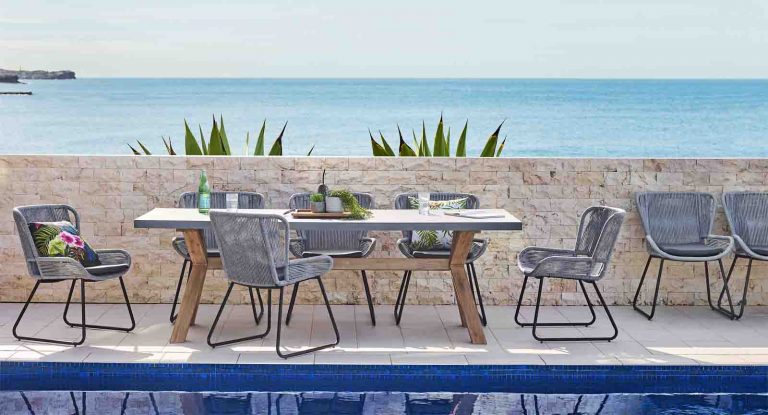
Are there any specific outdoor furniture recommendations for hot and sunny climates?
When choosing outdoor furniture for hot and sunny climates, it’s important to consider materials and features that can withstand the intense heat and sun exposure. Here are some specific recommendations:
1. Heat-Resistant Materials:
Opt for outdoor furniture made from heat-resistant materials such as aluminum, wrought iron, or teak. These materials have the ability to withstand high temperatures without warping or deteriorating.
2. UV-Resistant Fabrics:
Choose outdoor furniture with UV-resistant fabrics for cushions and upholstery. These fabrics are designed to resist fading and damage from prolonged sun exposure.
3. Breathable Fabrics:
In hot climates, it’s essential to choose outdoor furniture with breathable fabrics that allow for air circulation. Look for materials like mesh, quick-drying fabrics, or open-weave designs that promote airflow and help keep you cool.
4. Light Colors:
Light-colored outdoor furniture tends to reflect sunlight rather than absorb it, helping to keep the furniture and seating surfaces cooler. Opt for furniture in neutral or light shades to minimize heat absorption.
5. Shade Options:
Consider outdoor furniture that incorporates built-in shade options. Look for features like umbrellas, canopies, or pergolas that provide shade and protection from direct sunlight.
6. Ventilation and Airflow:
Choose outdoor furniture designs that facilitate ventilation and airflow. Look for slatted designs or furniture with open weaves that allow air to circulate freely, reducing heat buildup.
7. Portable and Versatile:
In hot climates, it can be beneficial to have furniture that is portable and versatile. Look for lightweight pieces that are easy to move and rearrange to take advantage of shade or breeze as the day progresses.
8. Storage Options:
Consider outdoor furniture that offers storage options. This can include built-in storage compartments or furniture that can be easily disassembled and stored during extreme weather conditions or extended periods of non-use.
9. Regular Maintenance:
Proper maintenance is crucial for outdoor furniture in hot and sunny climates. Regularly clean and protect the furniture according to the manufacturer’s instructions to prolong its lifespan and preserve its appearance.
By considering these recommendations, you can select outdoor furniture that is well-suited to hot and sunny climates, providing both comfort and durability in the face of intense heat and sun exposure.
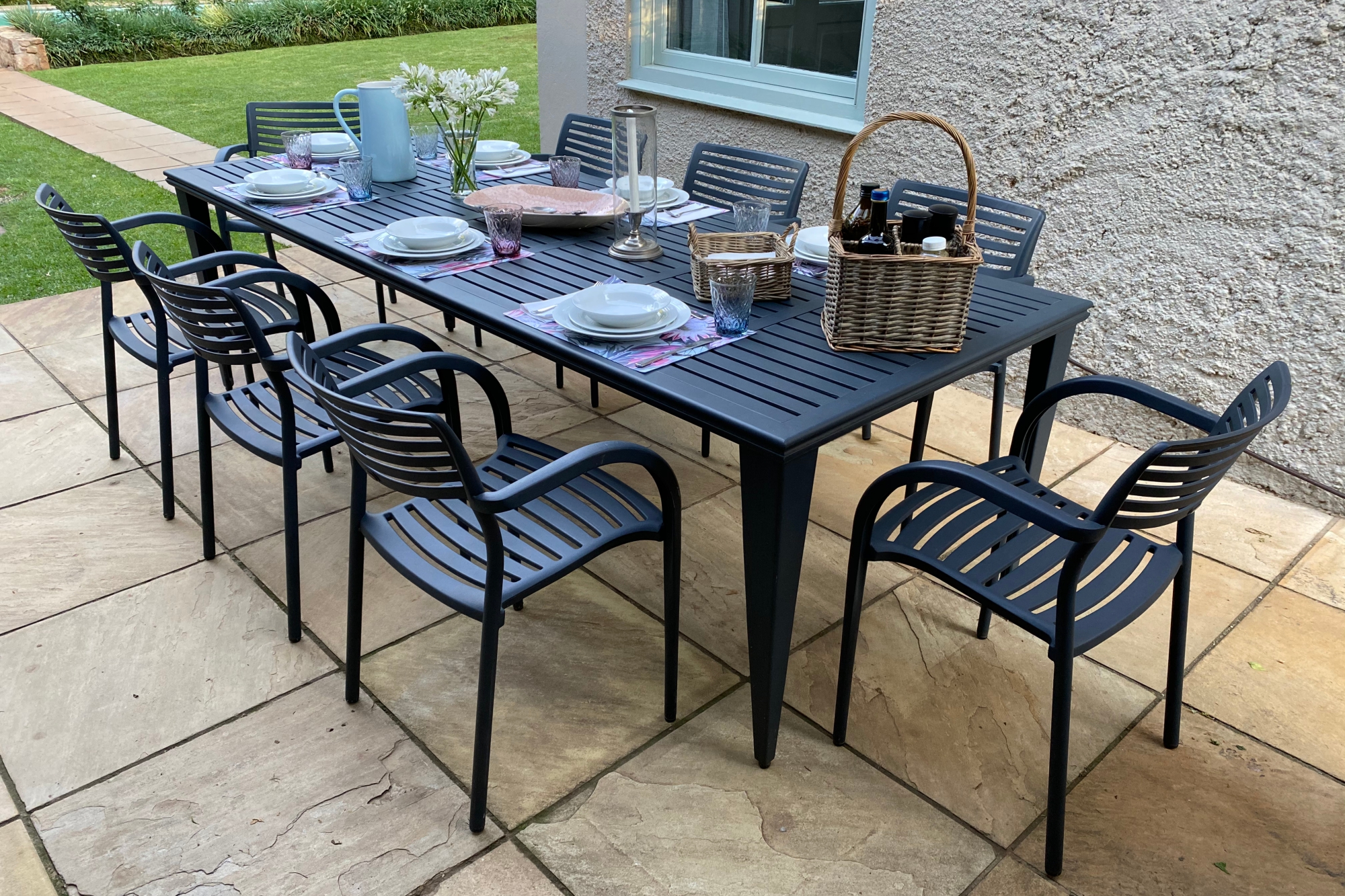
How do I choose the right size outdoor furniture for my space?
Choosing the right size outdoor furniture is crucial to ensure a comfortable and functional outdoor living space. Here are some steps to help you select the appropriate size:
1. Assess Your Space:
Measure the available space in your outdoor area to determine the dimensions you have to work with. Consider the overall layout, including any architectural features, existing structures, and natural elements like trees or slopes that may impact the placement and size of your furniture.
2. Determine the Purpose:
Decide how you plan to use your outdoor space. Will it be primarily for dining, lounging, or a combination of both? This will help determine the type and size of furniture you need.
3. Consider Traffic Flow:
Allow adequate space for people to move around and navigate comfortably. Consider pathways, entrances, and exits to ensure there is enough room for easy movement without feeling cramped.
4. Choose Appropriate Furniture Types:
Based on your space and intended use, select the types of outdoor furniture that best fit your needs. Common options include dining sets, lounge chairs, sofas, benches, and sectional seating arrangements.
5. Take Seat and Table Heights into Account:
Ensure that the seat height of chairs or sofas aligns with the table height for dining sets. This will ensure a comfortable and ergonomic seating arrangement.
6. Allow for Clearance:
Provide ample space around the furniture for easy movement and to avoid feeling cramped. Allow around 18-24 inches of clearance behind chairs for easy access and movement.
7. Consider Scale and Proportion:
Choose furniture that is proportionate to the size of your outdoor space. Oversized furniture can make a small space feel crowded, while undersized furniture may look out of place in a large area.
8. Test and Visualize:
If possible, arrange a mock layout using cardboard or tape to visualize how the furniture will fit in your space. This can help you assess the scale, proportion, and flow before making a final decision.
9. Read Product Specifications:
Pay attention to the dimensions provided by furniture manufacturers. Check the measurements of each piece to ensure it will fit comfortably in your space.
By carefully considering the size, layout, and purpose of your outdoor area, you can choose furniture that fits well and maximizes the functionality and aesthetics of your space.
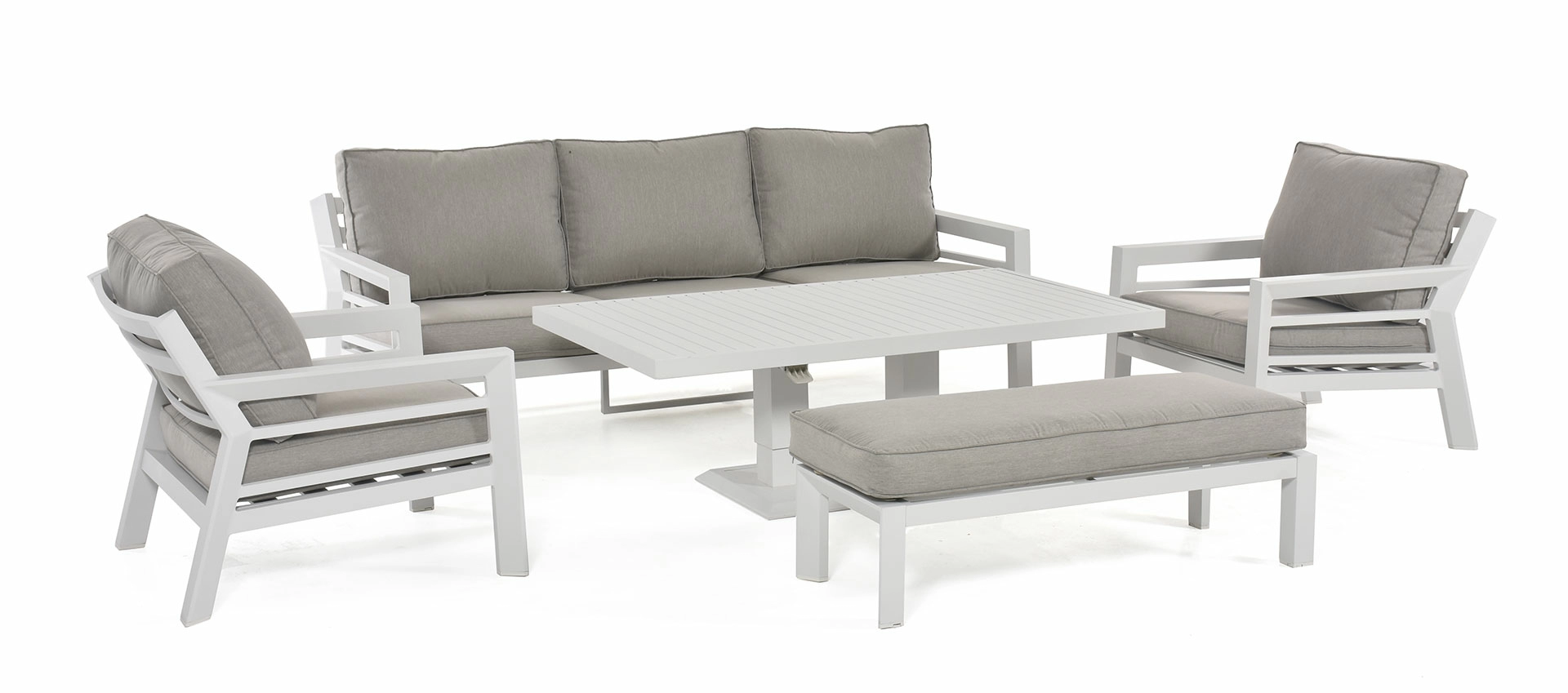
How can I protect my outdoor furniture during the winter months?
Protecting your outdoor furniture during the winter months is crucial to ensure its longevity and keep it in good condition. Here are some tips to help you protect your outdoor furniture:
1. Clean and Prepare: Before winter arrives, thoroughly clean your outdoor furniture to remove any dirt, debris, or stains. Use a mild soap, water, and a soft brush or sponge. Rinse the furniture thoroughly and allow it to dry completely. Once clean, apply an appropriate protective finish or sealant if recommended by the manufacturer.
2. Store Indoors: If possible, consider storing your outdoor furniture indoors during the winter months. A garage, basement, or storage shed can provide protection from harsh winter weather. If space is limited, prioritize storing more delicate or valuable pieces, such as cushions or lightweight furniture, while heavier or more durable items may be left outside with proper coverings.
3. Use Furniture Covers: If storing your furniture indoors is not an option, use weather-resistant covers designed specifically for outdoor furniture. Look for covers made from durable materials that are waterproof, UV-resistant, and breathable. Properly cover each piece of furniture, including tables, chairs, and cushions, to keep them protected from snow, rain, and wind.
4. Elevate and Protect: When leaving furniture outside, elevate it from the ground to prevent moisture damage. Use furniture glides, blocks, or a raised platform to keep the furniture off the wet or frozen ground. Additionally, use furniture protectors or caps on the legs to prevent scratching or damage to delicate surfaces.
5. Remove Cushions and Fabric: If your outdoor furniture has removable cushions or fabric, it’s best to store them indoors during the winter. Clean the cushions thoroughly, allow them to dry completely, and store them in a dry and protected area. If storing indoors is not possible, use weather-resistant cushion storage bags or containers to keep them protected from moisture and pests.
6. Inspect and Maintain: Periodically check on your outdoor furniture during the winter months. Remove any accumulated snow or debris from the covers and ensure they are securely in place. Inspect the furniture for any signs of damage or wear and make any necessary repairs as soon as possible.
7. Avoid Excessive Weight: While it may be tempting to use your outdoor furniture as storage surfaces during the winter, it’s best to avoid placing heavy objects on them. Excessive weight can cause damage or warping, especially if the furniture is made from materials like wicker or plastic.
By following these tips, you can help protect your outdoor furniture during the winter months and extend its lifespan. Remember to always refer to the manufacturer’s guidelines and recommendations for specific care instructions for your furniture.
editor by CX 2024-01-11