Product Description
Product Description
1.Atals-Copco Air-End
Atlas-Copco Group 149years air-end research & development experience.
High technology content air-end,average 8~10% energy saving compare with Chinese air end.
Atals-copco design gear box,reliability & durable
2.High Efficiency & Save Energy
High efficiency & energy saving intake valve,keep in lower unloading pressure and avoid large energy consumption when unloading.
New oil tank design,lower pressure drop and less energy consumption.
Shortest piping system in order to reduce the pressure drop.
3.Easy Installation & Operation
Compressor is filled with inbrication oil before delivering. You can operate it after installing and power on.
PLC intelligent control system, has the remind & record function, show the compressor situation clearly.
4.Low noise & low vibration
Atlas-copco air-end, low noise & vibration.
Aseismatic design.
Motor with noise reduction baffle.
5.Reliability & Safety
Reliability bigger cooler, lower operating temperature.
Safety and reliability filter system.
Integrated fan, stable and high efficiency.
Product Parameters
| Model | Max Working Pressure |
CAPACITY (F.A.D) |
Motor Power | Net Weight | Transmission | Noise | Connection | Dimension (Lx W x H) |
Remark | ||
| — | bar | psig | m3/min | hp | kw | kgs | DB(A) | inch | mm | — | |
| LSC11 | 16 | 232 | 0.95 | 15 | 11 | 350 | Belt Drive | 65±2 | G3/4” | 740*850*1030 | |
| LSC11TMDD | 16 | 232 | 0.95 | 15 | 11 | 600 | Belt Drive | 65±2 | G1/2” | 1490*950*1600 | with 1pc dryer + 3 pcs filters+1 pc 240L receiver tank |
| LSC15 | 16 | 232 | 1.3 | 20 | 15 | 360 | Belt Drive | 65±2 | G3/4” | 740*850*1030 | |
| LSC15TMDD | 16 | 232 | 1.3 | 20 | 15 | 600 | Belt Drive | 65±2 | G1/2” | 1490*950*1600 | with 1pc dryer + 3 pcs filters+1 pc 240L receiver tank |
| LSC18.5 | 16 | 232 | 1.7 | 25 | 18.5 | 400 | Belt Drive | 69±2 | G1” | 740*850*1300 | |
| LSC18.5TMDD | 16 | 232 | 1.75 | 25 | 18.5 | 800 | Belt Drive | 67±2 | G1” | 1460*980*1770 | with 1pc dryer + 3 pcs filters+2 pc 300L receiver tank |
| LSC22 | 16 | 232 | 2.1 | 30 | 22 | 410 | Belt Drive | 69±2 | G1” | 740*850*1300 | |
| LSC22TMDD | 16 | 232 | 2.1 | 30 | 22 | 800 | Belt Drive | 67±2 | G1” | 1460*980*1770 | with 1pc dryer + 3 pcs filters+2 pcs 300L receiver tank |
Company Profile
FAQ
Q1: Are you a manufacturer or trading company?
A1: Xihu (West Lake) Dis.in is professional screw air compressor factory located in HangZhou, China, CHINAMFG is Xihu (West Lake) Dis.in overseas market sales representative.
Q2: Xihu (West Lake) Dis.in is real member of Atlas-copco group?
A2: Yes, in 2571, Sweden Atlas-copco 100% acquired Xihu (West Lake) Dis.in.
Q3: Xihu (West Lake) Dis.in air-end from Atlas-copco?
A3: Yes, Xihu (West Lake) Dis.in LS/LSV, LOH, LSH and CS series air compressors all use Atlas Copco’s air-end.
Q4: What’s your delivery time?
A4: about 10-20days after you confirm the order, other voltage pls contact with us.
Q5: How long is your air compressor warranty?
A5: One year for the whole machine since leave our factory.
Q6: What’s the payment term?
A6:We accept T/T, LC at sight, Paypal etc.
Also we accept USD, RMB, JPY, EUR, HKD, GBP, CHF, KRW.
Q7: What’s the Min. Order requirement?
A7: 1unit
Q8: What service you can support?
A8: We offer after-sales service, custom service, production view service and one-stop service.
| Lubrication Style: | Lubricated |
|---|---|
| Cooling System: | Air Cooling |
| Power Source: | AC Power |
| Cylinder Position: | Horizontal |
| Structure Type: | Closed Type |
| Installation Type: | Stationary Type |
| Samples: |
US$ 6923/Unit
1 Unit(Min.Order) | |
|---|
| Customization: |
Available
|
|
|---|
.webp)
How are air compressors utilized in pharmaceutical manufacturing?
Air compressors play a crucial role in pharmaceutical manufacturing, where they are utilized for various critical applications. The pharmaceutical industry requires a reliable source of clean and compressed air to ensure the safety, efficiency, and quality of its processes. Here’s an overview of how air compressors are utilized in pharmaceutical manufacturing:
1. Manufacturing Processes:
Air compressors are used in numerous manufacturing processes within the pharmaceutical industry. Compressed air is employed for tasks such as mixing and blending of ingredients, granulation, tablet compression, coating, and encapsulation of pharmaceutical products. The controlled delivery of compressed air facilitates precise and consistent manufacturing processes, ensuring the production of high-quality pharmaceuticals.
2. Instrumentation and Control Systems:
Pharmaceutical manufacturing facilities rely on compressed air for powering instrumentation and control systems. Compressed air is used to operate pneumatic valves, actuators, and control devices that regulate the flow of fluids, control temperature and pressure, and automate various processes. The clean and dry nature of compressed air makes it ideal for maintaining the integrity and accuracy of these critical control mechanisms.
3. Packaging and Filling:
Air compressors are employed in pharmaceutical packaging and filling processes. Compressed air is used to power machinery and equipment for bottle cleaning, labeling, capping, and sealing of pharmaceutical products. Compressed air provides the necessary force and precision for efficient and reliable packaging, ensuring product safety and compliance.
4. Cleanroom Environments:
Pharmaceutical manufacturing often takes place in controlled cleanroom environments to prevent contamination and maintain product quality. Air compressors are used to supply clean and filtered compressed air to these cleanrooms, ensuring a controlled and sterile environment for the production of pharmaceuticals. Compressed air is also utilized in cleanroom air showers and air curtains for personnel and material decontamination.
5. Laboratory Applications:
In pharmaceutical laboratories, air compressors are utilized for various applications. Compressed air is used in laboratory instruments, such as gas chromatographs, mass spectrometers, and other analytical equipment. It is also employed in clean air cabinets, fume hoods, and laminar flow benches, providing a controlled and clean environment for testing, analysis, and research.
6. HVAC Systems:
Air compressors are involved in heating, ventilation, and air conditioning (HVAC) systems in pharmaceutical manufacturing facilities. Compressed air powers the operation of HVAC controls, dampers, actuators, and air handling units, ensuring proper air circulation, temperature control, and environmental conditions in various manufacturing areas.
By utilizing air compressors in pharmaceutical manufacturing, the industry can maintain strict quality standards, enhance operational efficiency, and ensure the safety and efficacy of pharmaceutical products.
.webp)
What is the role of air compressors in manufacturing and industrial processes?
Air compressors play a crucial role in various manufacturing and industrial processes, providing a reliable source of compressed air that powers a wide range of equipment and tools. Here are some key roles of air compressors in manufacturing and industrial settings:
1. Pneumatic Tools and Equipment:
Air compressors power a wide range of pneumatic tools and equipment used in manufacturing processes. These tools include impact wrenches, air drills, sanders, grinders, nail guns, and spray guns. Compressed air provides the necessary force and energy for these tools, enabling efficient and precise operations.
2. Automation and Control Systems:
Compressed air is used in automation and control systems within manufacturing facilities. Pneumatic actuators and valves use compressed air to control the movement of machinery and components. These systems are widely used in assembly lines, packaging operations, and material handling processes.
3. Air Blowing and Cleaning:
Compressed air is employed for blowing and cleaning applications in manufacturing and industrial processes. Air blowguns and air nozzles are used to remove debris, dust, and contaminants from surfaces, machinery, and products. Compressed air is also used for drying, cooling, and purging operations.
4. Air Separation and Gas Generation:
Air compressors are used in air separation plants to generate industrial gases such as nitrogen, oxygen, and argon. These gases are essential for various industrial processes, including metal fabrication, chemical production, and food packaging.
5. HVAC Systems:
Compressed air is utilized in heating, ventilation, and air conditioning (HVAC) systems. It powers pneumatic actuators for damper control, pneumatic controls for pressure regulation, and pneumatic valves for flow control in HVAC applications.
6. Air Compression for Storage and Transport:
Compressed air is used for storage and transport purposes in manufacturing and industrial settings. It is often used to pressurize storage tanks or containers that hold gases or liquids. Compressed air also facilitates the transfer of materials through pipelines and pneumatic conveying systems.
7. Process Instrumentation:
Compressed air is utilized in process instrumentation and control systems. It powers pneumatic instruments such as pressure gauges, flow meters, and control valves. These instruments play a critical role in monitoring and regulating various parameters in industrial processes.
8. Material Handling and Pneumatic Conveying:
In manufacturing and industrial facilities, compressed air is used for material handling and pneumatic conveying systems. It enables the movement of bulk materials such as powders, granules, and pellets through pipelines, facilitating efficient and controlled material transfer.
Overall, air compressors are vital components in manufacturing and industrial processes, providing a versatile and efficient source of power for a wide range of applications. The specific role of air compressors may vary depending on the industry, process requirements, and operational needs.
.webp)
What is the purpose of an air compressor?
An air compressor serves the purpose of converting power, typically from an electric motor or an engine, into potential energy stored in compressed air. It achieves this by compressing and pressurizing air, which can then be used for various applications. Here’s a detailed explanation of the purpose of an air compressor:
1. Powering Pneumatic Tools: One of the primary uses of an air compressor is to power pneumatic tools. Compressed air can be used to operate a wide range of tools, such as impact wrenches, nail guns, paint sprayers, sanders, and drills. The compressed air provides the necessary force and energy to drive these tools, making them efficient and versatile.
2. Supplying Clean and Dry Air: Air compressors are often used to supply clean and dry compressed air for various industrial processes. Many manufacturing and production operations require a reliable source of compressed air that is free from moisture, oil, and other contaminants. Air compressors equipped with appropriate filters and dryers can deliver high-quality compressed air for applications such as instrumentation, control systems, and pneumatic machinery.
3. Inflating Tires and Sports Equipment: Air compressors are commonly used for inflating tires, whether it’s for vehicles, bicycles, or sports equipment. They provide a convenient and efficient method for quickly filling tires with the required pressure. Air compressors are also used for inflating sports balls, inflatable toys, and other similar items.
4. Operating HVAC Systems: Air compressors play a crucial role in the operation of heating, ventilation, and air conditioning (HVAC) systems. They provide compressed air for controlling and actuating dampers, valves, and actuators in HVAC systems, enabling precise regulation of air flow and temperature.
5. Assisting in Industrial Processes: Compressed air is utilized in various industrial processes. It can be used for air blow-off applications, cleaning and drying parts, powering air-operated machinery, and controlling pneumatic systems. Air compressors provide a reliable and efficient source of compressed air that can be tailored to meet the specific requirements of different industrial applications.
6. Supporting Scuba Diving and Breathing Systems: In scuba diving and other breathing systems, air compressors are responsible for filling diving tanks and supplying breathable air to divers. These compressors are designed to meet strict safety standards and deliver compressed air that is free from contaminants.
Overall, the purpose of an air compressor is to provide a versatile source of compressed air for powering tools, supplying clean air for various applications, inflating tires and sports equipment, supporting industrial processes, and facilitating breathing systems in specific contexts.


editor by CX 2023-12-12
China manufacturer Safe&Efficient 1kw 2kw 3kw 4kw Medium High-Precision Fiber Laser Cutting Machine for Home Accessories, Industrial Parts, Garden Fence, Steel Furniture vacuum pump connector
Product Description
High-precision Medium Fiber Laser Cutting Machine
This fiber laser cutting machine has a table size of 1000 * 1500 mm, is the best choice for medium business of big metal cutting projects, such as home accessories cutting, industrial parts cutting, garden fence making, steel furniture making and so on.
Advantages
1. Medium size with perfect mechanical structure, best choice for industrial manufacturer use;
2. The machine adopts high-end laser source, quality motor, transmission device and intelligent control system and is very easy to operate;
3. Safety consideration: Protective cover preventing dust and smoke during working;
4. Wide range working materials, including carbon steel, stainless steel, galvanized steel, aluminum sheets, aluminum alloy, brass, etc.;
| After-sales Service: | Online Support |
|---|---|
| Warranty: | 1 Year |
| Application: | Home Appliance, Environmental Equipment, Petroleum Machinery Manufacturing, Agriculture Machinery, Textile Machinery, Food Machinery, Aerospace Industry, Automotive Industry, Shoemaking Industry, Woodwork Industry, Advertising Industry |
| Cooling System: | Water Cooling |
| Technical Class: | Continuous Wave Laser |
| Applicable Material: | Metal |
| Customization: |
Available
|
|
|---|

How do I secure my garden furniture to prevent it from tipping over during windy weather?
Securing your garden furniture is important to prevent it from tipping over during windy weather. Here are some methods you can use to secure your furniture:
1. Weighted Bases or Sandbags:
For lightweight furniture such as chairs or small tables, consider using weighted bases or sandbags. These can be placed on the furniture’s legs or base to provide additional stability and prevent tipping. Make sure the weights are securely attached or positioned to avoid any accidents.
2. Anchoring Systems:
For larger furniture pieces or items that are prone to tipping, using anchoring systems can be highly effective. Anchoring kits are available in hardware stores and typically include straps, cables, or brackets that can be attached to the furniture and secured to the ground or a sturdy structure like a wall or deck.
3. Staking or Ground Pegs:
If your garden furniture has legs or supports that can be inserted into the ground, consider using stakes or ground pegs. These can be driven into the soil to provide additional stability and prevent tipping. Ensure that the stakes or pegs are securely anchored and properly inserted into the ground.
4. Windproof Umbrellas and Canopies:
If you have umbrellas or canopies as part of your garden furniture, choose windproof options that are designed to withstand gusty conditions. These typically have sturdy frames, reinforced joints, and vented canopies that allow wind to pass through, reducing the risk of tipping.
5. Storage or Temporary Removal:
During severe or stormy weather, consider storing your garden furniture in a secure, covered area or temporarily removing it from exposed areas. This can prevent damage caused by strong winds and ensure the safety of both the furniture and your surroundings.
6. Regular Inspections:
Regularly inspect your garden furniture for any signs of wear, damage, or loose components. Tighten screws, bolts, or joints as necessary to maintain stability. Replace any damaged parts or repair weak areas promptly to prevent tipping accidents.
7. Positioning and Layout:
When arranging your garden furniture, consider the layout and positioning to minimize the impact of wind. Place taller or heavier furniture pieces against walls or other sturdy structures to provide additional support. Avoid positioning furniture in open, exposed areas where wind gusts are more likely.
8. Weather Alerts and Precautions:
Stay informed about weather conditions in your area and take necessary precautions when severe weather is expected. Bring in or secure your garden furniture well in advance to prevent damage caused by strong winds or storms.
By implementing these measures, you can help secure your garden furniture and minimize the risk of tipping over during windy weather. Remember to assess the specific needs of your furniture and adjust the methods accordingly for optimal stability and safety.
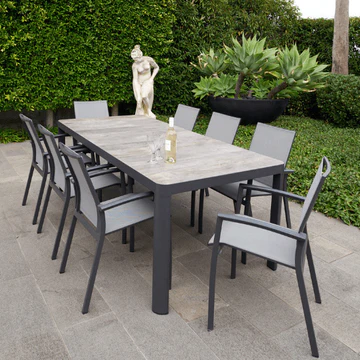
How do I revive old or worn-out garden furniture to extend its lifespan?
If you have old or worn-out garden furniture, there are several steps you can take to revive it and extend its lifespan. By giving your furniture some attention and care, you can restore its appearance, functionality, and durability. Here’s how you can revive old or worn-out garden furniture:
1. Clean the Furniture:
Start by thoroughly cleaning the furniture to remove dirt, grime, and any existing coatings. Use a mild detergent or a specialized cleaner suitable for the furniture material. Scrub the surfaces with a soft brush or sponge, and rinse with water. Cleaning the furniture will help reveal its true condition and prepare it for further restoration steps.
2. Repair Damaged Parts:
Inspect the furniture for any damaged or broken parts, such as loose joints, cracked wood, or rusted metal. Repair or replace these parts as necessary. Tighten screws, apply wood glue to loose joints, and use appropriate repair techniques for different materials. This step will help ensure the structural integrity of the furniture and prevent further damage.
3. Sand the Surfaces:
If the furniture has a worn or rough surface, sanding can help smooth it out and prepare it for refinishing. Use sandpaper with an appropriate grit for the furniture material. Sand in the direction of the wood grain or follow the manufacturer’s recommendations for other materials. Sanding will remove imperfections, old finishes, and provide a clean surface for the next steps.
4. Apply a Fresh Finish:
Consider applying a fresh finish to protect and enhance the appearance of the furniture. The type of finish will depend on the furniture material. For wooden furniture, options include varnish, paint, or stain. Metal furniture may require a rust-resistant primer and paint. Follow the manufacturer’s instructions and apply multiple coats for better durability.
5. Replace or Reupholster Cushions:
If your garden furniture has cushions that are worn-out or faded, consider replacing or reupholstering them. Look for outdoor-grade fabric that is resistant to UV rays and moisture. Measure the dimensions of the cushions and sew or have them professionally reupholstered. This will give your furniture a fresh and comfortable look.
6. Apply Protective Coatings:
To further extend the lifespan of your furniture, consider applying protective coatings. For wooden furniture, use a wood sealer or exterior-grade varnish to protect it from moisture and UV damage. Metal furniture can benefit from a clear coat or rust-resistant spray to prevent corrosion. These coatings will help maintain the appearance and integrity of the furniture.
7. Store Properly:
When not in use, store your garden furniture properly to protect it from harsh weather conditions. If possible, cover the furniture with a waterproof cover or move it to a covered area. Storing furniture indoors during the winter or extreme weather can significantly extend its lifespan.
8. Regular Maintenance:
Maintain your revived furniture by regularly cleaning it and performing minor repairs as needed. Keep an eye out for signs of wear or damage and address them promptly. By maintaining your furniture, you can ensure its longevity and enjoy it for years to come.
By following these steps, you can breathe new life into your old or worn-out garden furniture and extend its lifespan, saving both money and resources in the process.

Can you recommend affordable garden furniture options for a tight budget?
If you have a tight budget but still want to furnish your garden with affordable options, there are several choices available. Here are some recommendations for affordable garden furniture:
1. Plastic Furniture:
Plastic furniture is often more budget-friendly compared to other materials. It is lightweight, easy to clean, and resistant to weather conditions. Look for plastic chairs, tables, and loungers that are designed for outdoor use.
2. Folding Furniture:
Folding furniture is a practical and cost-effective option for outdoor spaces. These pieces are versatile and can be easily folded and stored when not in use. Folding chairs, tables, and benches are available at affordable prices and can provide seating and dining options for your garden.
3. Wooden Furniture:
Wooden furniture can be more affordable than other materials, especially if you choose softwood options like pine or spruce. While these may require more maintenance and may not be as durable as hardwoods, they can still provide a natural and budget-friendly option for your garden.
4. DIY and Upcycled Furniture:
If you’re feeling creative, consider DIY (Do-It-Yourself) or upcycled furniture projects. You can repurpose old furniture or materials to create unique and affordable pieces for your garden. Look for tutorials and inspiration online to get started.
5. Secondhand or Thrifted Furniture:
Check out local thrift stores, yard sales, or online marketplaces for secondhand garden furniture. You may find pre-owned pieces in good condition at significantly lower prices. With some cleaning and minor repairs, you can have affordable and functional furniture for your garden.
6. Sales and Clearance:
Keep an eye out for sales and clearance events at furniture stores or online retailers. These often offer discounted prices on outdoor furniture, allowing you to find affordable options within your budget.
7. Rent or Borrow:
If you only need furniture for a short period or for occasional use, consider renting or borrowing from friends or family. This can be a cost-effective solution that allows you to enjoy outdoor furniture without making a long-term investment.
Remember, while affordable options may have some trade-offs in terms of durability or style, with proper care and maintenance, they can still provide functional and enjoyable outdoor seating and dining areas on a tight budget.
editor by CX 2023-11-07
China Standard China High Performance 1.52m 3 /Min 18~20 Bar Integrated Combined 4-in 1 Screw Air Compressor with Air Dryer, Air Tank for Laser Cutting Machine air compressor price
Product Description
Product Description
China High Performance 1.52m 3 /min 18~20 bar Integrated Combined 4-in 1 Screw Air Compressor with Air Dryer, Air Tank for Laser Cutting Machine
| Model | RMZY-20AS |
| Free air delivery | 1.52 m3/min |
| Working pressure | 18~20bar(adjustable) |
| Inverter brand | Inovance |
| Brand of screw air end | Original CHINAMFG AA |
| Control | PLC controller |
| Driven | Direct driven |
| Cooling | By air |
| Electric motor | PM VSD motor 400v/3ph/50hz |
| Discharge temperature | +8 ºC than ambient |
| Noise | less than 65 dB(A) |
| Air outlet size | G3/4″ |
| Air tank | 400 liters, auto drain pneumatic valve |
| Filters | 5-fold precision filters, make air oilless & dustless |
| Dimension | 1800*850*1770mm |
| Weight | 400kg |
Product features 1. 1. One-piece design, user-friendly, can be used with electricity.
2. Adopt original imported main engine to ensure high efficiency and stability, and smoother cutting.
3. Multiple protection devices, multiple shock and noise reduction configurations, low noise.
4. High-efficiency CHINAMFG dryer and 5-stage high-efficiency special-precision filter, high filtration accuracy, pressure dew point as low as 2~5°C, gas oil content as low as 0.001PPM, and particle filtration accuracy as high as 0.01um, ensuring the purity of compressed air.
5.Thermostatic control. The start and stop of the cooling fan can be set according to the season to better control the oil temperature and avoid emulsification.
6. 500L large air storage tank, full of air, stable air supply. Compressed air is deposited in the air storage tank, which is more conducive to water and sewage removal.
7. After-treatment centralized drainage, it helps to keep the customer’s site clean.
Technical Parameters
| Model | Air Delivery (m3/min) | Rated exhaust pressure (Bar) | Power (kW) | Noise (Db) | Outlet diameter (In) | Dimension (mm) | Weight (Kg) | Exhaust pressure dew point (ºC) |
Exhaust dust content (μm) |
Exhaust oil content (ppm) | Gas storage tank capacity (L) | ||||||||||||||||||||||||||||||||||||||||
| RMZY-15A | 1.05 | 16 | 11/15 | 65 | G3/4 | 1800*900*1780 | 380 | 2~10 | 0.01 | 0.01 | 400 | ||||||||||||||||||||||||||||||||||||||||
| RMZY-20A | 1.52 | 16 | 15/20 | 65 | G3/4 | 1800*900*1780 | 400 | 2~10 | 0.01 | 0.01 | 400 | ||||||||||||||||||||||||||||||||||||||||
| RMZY-30A | 2.41 | 16 | 22/30 | 65 | G3/4 | 1800*1100*1850 | 500 | 2~10 | 0.01 | 0.01 | 400 | ||||||||||||||||||||||||||||||||||||||||
| RMZY-30AA | 2.41 | 16 | 22/30 | 65 | G3/4 | 1800*1100*1850 | 620 | 2~10 | 0.01 | 0.01 | 400 | ||||||||||||||||||||||||||||||||||||||||
| RMZY-15AS | 1.05 | 18-20 | 11/15 | 65 | G3/4 | 1800*900*1780 | 380 | 2~10 | 0.01 | 0.01 | 400 | ||||||||||||||||||||||||||||||||||||||||
| RMZY-20AS | 1.52 | 18-20 | 15/20 | 68 | G3/4 | 1800*850*1770 | 400 | 2~10 | 0.01 | 0.01 | 400 | ||||||||||||||||||||||||||||||||||||||||
| RMZY-30AS | 2.41 | 18-20 | 22/30 | 68 | G3/4 | 1800*870*1940 | 500 | 2~10 | 0.01 | 0.01 | 400 | ||||||||||||||||||||||||||||||||||||||||
| RMZY-30AAS | 2.41 | 18-20 | 22/30 | 68 | G3/4 | 2280*900*2100 | 620 | 2~10 | 0.01 | 0.01 | 400 | ||||||||||||||||||||||||||||||||||||||||
Application industry
Successful cases
Packaging & Shipping
Packaging & Shipping
1.Packing Details: Plywood crate pallet plus foam board and bubble film, Full closed wooden case. 1pcs/each package (for stationary screw air compressor)
2.Shipping method: by sea, by LCL/FCL or as requested
3.Delivery method: FOB, CFR, CIF and EXW etc.
Company Profile
ZheJiang CHINAMFG Machinery Co., Ltd. is a company dedicated to the production and research and development of various gas compression equipment. The company was established in 2012 and has a total of 5 licensed technical engineers. Mainly engaged in air, nitrogen, CO2 and other special gas compression equipment and after-treat equipment. With the development in recent years, the company has established a foreign trade team in ZheJiang , and hired foreign trade consultants with 10 years of industry experience to better serve customers worldwide. With excellent quality and the support of 30 distributors worldwide, our annual sales in 2018 exceeded 5 million US dollars. We look CHINAMFG to working with you to create a better tomorrow!
Payment and delivery
After Sales Service
1. 24/7 after sales service support in different languages.
2. Customized color, Model ect.
3. Guidance of installation and commissioning on site can be provided by factory-trained technicians or local Authorized Service Center.
4. Delivery on time and excellent after-sales service.
5. Plenty of original spare parts with proven quality.
6. All kinds of technical documents in different languages.
FAQ
Q1. Are you trading company or manufacture ?
A: We are professional manufacture of screw air compressor of HangZhou,ZheJiang ,China. More than 18 years of experience in air compressor manufacturing.
Q2. How long is the delivery time ?
A: For standard voltage ,15 working days. Non-standard ,please contact our sales.
Q3. What’s payment term ?
A: T/T, L/C, D/P, Western Union, Paypal, Credit Card, and etc. Also we could accept USD, RMB, Euro and other currency.
Q4. How about your after-sales service ?
A: 1.Provide customers with installation and commissioning online instructions.
2. Well-trained engineers available to overseas service.
3.CHINAMFG agents and after service avaiable.arrange our engineers to help you training and installation.
Q5. How about your warranty?
A: One year for the whole machine and 2 years for screw air end, except consumable spare parts.
Q6. Do you have any certificate ?
A: Yes, per different customer’s market need ,we can offer CE ,ISO etc certificate.
Q7. What about the maintenance ?
A: First maintenance need to be done after 500Hours, and then every 2000-3000 hours to do the normal maintenance, and consider the actual environment.
Q8. How do you control quality ?
A: 1. The raw materials are strictly inspected
2. Some key parts are imported from overseas
3. Each compressor must pass at least 5 hours of continuous testing before leaving the factory.
Q9. Do you offer OEM service ?
A: Yes.Both OEM & ODM service can be accepted.
Q10.How long could your air compressor be used?
A: Generally, more than 10 years.
| After-sales Service: | Online Support |
|---|---|
| Warranty: | 24month |
| Lubrication Style: | Lubricated |
| Samples: |
US$ 5000/SET
1 SET(Min.Order) | Order Sample |
|---|
| Customization: |
Available
|
|
|---|
.shipping-cost-tm .tm-status-off{background: none;padding:0;color: #1470cc}
|
Shipping Cost:
Estimated freight per unit. |
about shipping cost and estimated delivery time. |
|---|
| Payment Method: |
|
|---|---|
|
Initial Payment Full Payment |
| Currency: | US$ |
|---|
| Return&refunds: | You can apply for a refund up to 30 days after receipt of the products. |
|---|
.webp)
What are the energy-saving technologies available for air compressors?
There are several energy-saving technologies available for air compressors that help improve their efficiency and reduce energy consumption. These technologies aim to optimize the operation of air compressors and minimize energy losses. Here are some common energy-saving technologies used:
1. Variable Speed Drive (VSD) Compressors:
VSD compressors are designed to adjust the motor speed according to the compressed air demand. By varying the motor speed, these compressors can match the output to the actual air requirement, resulting in energy savings. VSD compressors are particularly effective in applications with varying air demands, as they can operate at lower speeds during periods of lower demand, reducing energy consumption.
2. Energy-Efficient Motors:
The use of energy-efficient motors in air compressors can contribute to energy savings. High-efficiency motors, such as those with premium efficiency ratings, are designed to minimize energy losses and operate more efficiently than standard motors. By using energy-efficient motors, air compressors can reduce energy consumption and achieve higher overall system efficiency.
3. Heat Recovery Systems:
Air compressors generate a significant amount of heat during operation. Heat recovery systems capture and utilize this wasted heat for other purposes, such as space heating, water heating, or preheating process air or water. By recovering and utilizing the heat, air compressors can provide additional energy savings and improve overall system efficiency.
4. Air Receiver Tanks:
Air receiver tanks are used to store compressed air and provide a buffer during periods of fluctuating demand. By using appropriately sized air receiver tanks, the compressed air system can operate more efficiently. The tanks help reduce the number of starts and stops of the air compressor, allowing it to run at full load for longer periods, which is more energy-efficient than frequent cycling.
5. System Control and Automation:
Implementing advanced control and automation systems can optimize the operation of air compressors. These systems monitor and adjust the compressed air system based on demand, ensuring that only the required amount of air is produced. By maintaining optimal system pressure, minimizing leaks, and reducing unnecessary air production, control and automation systems help achieve energy savings.
6. Leak Detection and Repair:
Air leaks in compressed air systems can lead to significant energy losses. Regular leak detection and repair programs help identify and fix air leaks promptly. By minimizing air leakage, the demand on the air compressor is reduced, resulting in energy savings. Utilizing ultrasonic leak detection devices can help locate and repair leaks more efficiently.
7. System Optimization and Maintenance:
Proper system optimization and routine maintenance are essential for energy savings in air compressors. This includes regular cleaning and replacement of air filters, optimizing air pressure settings, ensuring proper lubrication, and conducting preventive maintenance to keep the system running at peak efficiency.
By implementing these energy-saving technologies and practices, air compressor systems can achieve significant energy efficiency improvements, reduce operational costs, and minimize environmental impact.
.webp)
How are air compressors employed in the mining industry?
Air compressors play a crucial role in the mining industry, providing reliable and efficient power for various mining operations. Here are some common applications of air compressors in mining:
1. Exploration and Drilling:
Air compressors are used during exploration and drilling activities in the mining industry. Compressed air is used to power drilling rigs, pneumatic hammers, and other drilling equipment. The high-pressure air generated by the compressor helps in drilling boreholes, extracting core samples, and exploring potential mineral deposits.
2. Ventilation and Air Quality Control:
Air compressors are employed in underground mining to provide ventilation and control air quality. Compressed air is used to operate ventilation fans and air circulation systems, ensuring adequate airflow and removing harmful gases, dust, and fumes from the mining tunnels and work areas.
3. Material Conveyance:
In mining operations, air compressors are used for material conveyance. Pneumatic systems powered by air compressors are utilized to transport materials such as coal, ore, and other minerals. Compressed air is used to operate pneumatic conveyors, pumps, and material handling equipment, allowing for efficient and controlled movement of bulk materials.
4. Dust Suppression:
Air compressors are employed for dust suppression in mining areas. Compressed air is used to spray water or other suppressants to control dust generated during mining activities. This helps in maintaining a safe and healthy work environment, reducing the risks associated with dust inhalation and improving visibility.
5. Instrumentation and Control:
Air compressors are used for instrumentation and control purposes in mining operations. Compressed air is utilized to power pneumatic control systems, control valves, and actuators. These systems regulate the flow of fluids, control equipment movements, and ensure the proper functioning of various mining processes.
6. Explosive Applications:
In mining, air compressors are used for explosive applications. Compressed air is employed to power pneumatic tools used for rock fragmentation, such as rock drills and pneumatic breakers. The controlled power of compressed air enables safe and efficient rock breaking without the need for traditional explosives.
7. Maintenance and Repair:
Air compressors are essential for maintenance and repair activities in the mining industry. Compressed air is used for cleaning machinery, removing debris, and powering pneumatic tools for equipment maintenance and repair tasks. The versatility and portability of air compressors make them valuable assets in maintaining mining equipment.
It is important to note that different mining operations may have specific requirements and considerations when selecting and using air compressors. The size, capacity, and features of air compressors can vary based on the specific mining application and environmental conditions.
By utilizing air compressors effectively, the mining industry can benefit from increased productivity, improved safety, and efficient operation of various mining processes.
.webp)
What are the key components of an air compressor system?
An air compressor system consists of several key components that work together to generate and deliver compressed air. Here are the essential components:
1. Compressor Pump: The compressor pump is the heart of the air compressor system. It draws in ambient air and compresses it to a higher pressure. The pump can be reciprocating (piston-driven) or rotary (screw, vane, or scroll-driven) based on the compressor type.
2. Electric Motor or Engine: The electric motor or engine is responsible for driving the compressor pump. It provides the power necessary to operate the pump and compress the air. The motor or engine’s size and power rating depend on the compressor’s capacity and intended application.
3. Air Intake: The air intake is the opening or inlet through which ambient air enters the compressor system. It is equipped with filters to remove dust, debris, and contaminants from the incoming air, ensuring clean air supply and protecting the compressor components.
4. Compression Chamber: The compression chamber is where the actual compression of air takes place. In reciprocating compressors, it consists of cylinders, pistons, valves, and connecting rods. In rotary compressors, it comprises intermeshing screws, vanes, or scrolls that compress the air as they rotate.
5. Receiver Tank: The receiver tank, also known as an air tank, is a storage vessel that holds the compressed air. It acts as a buffer, allowing for a steady supply of compressed air during peak demand periods and reducing pressure fluctuations. The tank also helps separate moisture from the compressed air, allowing it to condense and be drained out.
6. Pressure Relief Valve: The pressure relief valve is a safety device that protects the compressor system from over-pressurization. It automatically releases excess pressure if it exceeds a predetermined limit, preventing damage to the system and ensuring safe operation.
7. Pressure Switch: The pressure switch is an electrical component that controls the operation of the compressor motor. It monitors the pressure in the system and automatically starts or stops the motor based on pre-set pressure levels. This helps maintain the desired pressure range in the receiver tank.
8. Regulator: The regulator is a device used to control and adjust the output pressure of the compressed air. It allows users to set the desired pressure level for specific applications, ensuring a consistent and safe supply of compressed air.
9. Air Outlet and Distribution System: The air outlet is the point where the compressed air is delivered from the compressor system. It is connected to a distribution system comprising pipes, hoses, fittings, and valves that carry the compressed air to the desired application points or tools.
10. Filters, Dryers, and Lubricators: Depending on the application and air quality requirements, additional components such as filters, dryers, and lubricators may be included in the system. Filters remove contaminants, dryers remove moisture from the compressed air, and lubricators provide lubrication to pneumatic tools and equipment.
These are the key components of an air compressor system. Each component plays a crucial role in the generation, storage, and delivery of compressed air for various industrial, commercial, and personal applications.
editor by CX 2023-10-30
China Hot selling Laser Cutting Machine Air Compressor with high quality
Product Description
Supply Air Laser Cutting Machine air Compressor
Feature
1.Steam turbine compressor are driven by power supply from an industrial compressor,compress the air in an compressing cavity and then pressurize the compressed air.
2.Air compressor ,A precisely-made central bracket is used ti keep the motor aligned permanently with the air end.
3. A high resilient coupling is adopted to make the air compressor operate smoothly,and the elastomer is long in useful life.
4.The discharge pipe is double-wall corrugated pipe and the oil way uses a special high pressure hose which is resistant to temperature up to 125ºC.
5.Saving energy and protecting environment.
6.Stable quality and high durability.
Rotary Screw Air Compressor
1. Belt driven double screw air compressor series
2. Direct driven double screw air compressor series
3. Variable-frequency screw air compressor series
4. Combined screw air compressor series
5. Low pressure screw air compressor series
6. Oil-free screw air compressor series
7. Heat recovery screw air compressor series
8. Special tunnel screw air compressor series
9. Steam turbine screw air compressor series
10. Diesel portable screw air compressor series
11. Electric portable screw air compressor series
12. Low noise screw air compressor series
13. Scroll screw air compressor series
14. Large displacement screw air compressor series
15. Centrifugal screw air compressor series
electric and portable screw air compressor Compatible After-Treatment System
1. Low pressure air tank
2. High pressure air tank
3. Pre-cooler
4. After-cooler
5. Oil-water Separator
6. Pre-filter
7. High temperature refrigerating dryer
8. Precision filter
9. Active carbonate filter
10. Super precision filter
Specification
| Model | YD-ERC10SA | YD-ERC20SA | YD-ERC30SA |
| Type of cooling | water-cooling | ||
| Air delivery/ working pressure (m³/ bar) |
1.0/8 | 2.2/8 | 3.6/8 |
| 0.85/10 | 2.1/10 | 3.2/10 | |
| 0.7/12.5 | 1.8/12.5 | 2.5/12.5 | |
| Compressor Power (kw) | 7.5 | 15 | 22 |
| Precision filter model | END012 | END571 | END038 |
| Weight(kg) | 680 | 810 | 930 |
| Cooling air volume(m3/min) |
32.5 | 50 | 110 |
| Pipe connection size | 3/4″ | 1″ | 11/2″ |
| Lubrication Style: | Lubricated |
|---|---|
| Cooling System: | Air Cooling |
| Power Source: | AC Power |
| Cylinder Position: | Horizontal |
| Structure Type: | Closed Type |
| Installation Type: | Stationary Type |
| Customization: |
Available
|
|
|---|
How are air compressors utilized in pharmaceutical manufacturing?
Air compressors play a crucial role in pharmaceutical manufacturing, where they are utilized for various critical applications. The pharmaceutical industry requires a reliable source of clean and compressed air to ensure the safety, efficiency, and quality of its processes. Here’s an overview of how air compressors are utilized in pharmaceutical manufacturing:
1. Manufacturing Processes:
Air compressors are used in numerous manufacturing processes within the pharmaceutical industry. Compressed air is employed for tasks such as mixing and blending of ingredients, granulation, tablet compression, coating, and encapsulation of pharmaceutical products. The controlled delivery of compressed air facilitates precise and consistent manufacturing processes, ensuring the production of high-quality pharmaceuticals.
2. Instrumentation and Control Systems:
Pharmaceutical manufacturing facilities rely on compressed air for powering instrumentation and control systems. Compressed air is used to operate pneumatic valves, actuators, and control devices that regulate the flow of fluids, control temperature and pressure, and automate various processes. The clean and dry nature of compressed air makes it ideal for maintaining the integrity and accuracy of these critical control mechanisms.
3. Packaging and Filling:
Air compressors are employed in pharmaceutical packaging and filling processes. Compressed air is used to power machinery and equipment for bottle cleaning, labeling, capping, and sealing of pharmaceutical products. Compressed air provides the necessary force and precision for efficient and reliable packaging, ensuring product safety and compliance.
4. Cleanroom Environments:
Pharmaceutical manufacturing often takes place in controlled cleanroom environments to prevent contamination and maintain product quality. Air compressors are used to supply clean and filtered compressed air to these cleanrooms, ensuring a controlled and sterile environment for the production of pharmaceuticals. Compressed air is also utilized in cleanroom air showers and air curtains for personnel and material decontamination.
5. Laboratory Applications:
In pharmaceutical laboratories, air compressors are utilized for various applications. Compressed air is used in laboratory instruments, such as gas chromatographs, mass spectrometers, and other analytical equipment. It is also employed in clean air cabinets, fume hoods, and laminar flow benches, providing a controlled and clean environment for testing, analysis, and research.
6. HVAC Systems:
Air compressors are involved in heating, ventilation, and air conditioning (HVAC) systems in pharmaceutical manufacturing facilities. Compressed air powers the operation of HVAC controls, dampers, actuators, and air handling units, ensuring proper air circulation, temperature control, and environmental conditions in various manufacturing areas.
By utilizing air compressors in pharmaceutical manufacturing, the industry can maintain strict quality standards, enhance operational efficiency, and ensure the safety and efficacy of pharmaceutical products.
.webp)
Are there differences between single-stage and two-stage air compressors?
Yes, there are differences between single-stage and two-stage air compressors. Here’s an in-depth explanation of their distinctions:
Compression Stages:
The primary difference between single-stage and two-stage air compressors lies in the number of compression stages they have. A single-stage compressor has only one compression stage, while a two-stage compressor has two sequential compression stages.
Compression Process:
In a single-stage compressor, the entire compression process occurs in a single cylinder. The air is drawn into the cylinder, compressed in a single stroke, and then discharged. On the other hand, a two-stage compressor utilizes two cylinders or chambers. In the first stage, air is compressed to an intermediate pressure in the first cylinder. Then, the partially compressed air is sent to the second cylinder where it undergoes further compression to reach the desired final pressure.
Pressure Output:
The number of compression stages directly affects the pressure output of the air compressor. Single-stage compressors typically provide lower maximum pressure levels compared to two-stage compressors. Single-stage compressors are suitable for applications that require moderate to low air pressure, while two-stage compressors are capable of delivering higher pressures, making them suitable for demanding applications that require greater air pressure.
Efficiency:
Two-stage compressors generally offer higher efficiency compared to single-stage compressors. The two-stage compression process allows for better heat dissipation between stages, reducing the chances of overheating and improving overall efficiency. Additionally, the two-stage design allows the compressor to achieve higher compression ratios while minimizing the work done by each stage, resulting in improved energy efficiency.
Intercooling:
Intercooling is a feature specific to two-stage compressors. Intercoolers are heat exchangers placed between the first and second compression stages. They cool down the partially compressed air before it enters the second stage, reducing the temperature and improving compression efficiency. The intercooling process helps to minimize heat buildup and reduces the potential for moisture condensation within the compressor system.
Applications:
The choice between a single-stage and two-stage compressor depends on the intended application. Single-stage compressors are commonly used for light-duty applications such as powering pneumatic tools, small-scale workshops, and DIY projects. Two-stage compressors are more suitable for heavy-duty applications that require higher pressures, such as industrial manufacturing, automotive service, and large-scale construction.
It is important to consider the specific requirements of the application, including required pressure levels, duty cycle, and anticipated air demand, when selecting between a single-stage and two-stage air compressor.
In summary, the main differences between single-stage and two-stage air compressors lie in the number of compression stages, pressure output, efficiency, intercooling capability, and application suitability.
.webp)
In which industries are air compressors widely used?
Air compressors find extensive usage across various industries due to their versatility and ability to generate compressed air. Here are some industries where air compressors are widely employed:
1. Manufacturing: Air compressors are essential in manufacturing processes for powering pneumatic tools and equipment. They are used for tasks such as operating assembly lines, powering robotic machinery, running paint sprayers, and driving pneumatic actuators.
2. Construction: Air compressors play a crucial role in the construction industry. They power pneumatic tools like jackhammers, nail guns, impact wrenches, and concrete breakers. Compressed air is also used for concrete spraying, sandblasting, and operating air-powered lifts and hoists.
3. Automotive: Air compressors are widely used in automotive manufacturing and repair. They power air tools used in auto body shops, tire inflation equipment, pneumatic lifts, and air-operated brake systems. Compressed air is also utilized in vehicle painting and drying processes.
4. Oil and Gas: The oil and gas industry extensively relies on air compressors for various applications. They are used for pneumatic drilling, powering pneumatic tools in refineries and petrochemical plants, operating pneumatic valves and actuators, and providing instrument air for control systems.
5. Food and Beverage: Air compressors are employed in the food and beverage industry for tasks such as packaging, bottling, and sealing. They power pneumatic conveying systems, control air pressure in food processing equipment, and provide clean compressed air for food handling and storage.
6. Pharmaceutical and Healthcare: Air compressors find application in pharmaceutical manufacturing and healthcare facilities. They are used for operating medical equipment, such as ventilators and dental tools. Compressed air is also utilized in pharmaceutical processes, including tablet coating, fluid bed drying, and aseptic packaging.
7. Aerospace: The aerospace industry relies on air compressors for various applications, including aircraft maintenance and assembly. They power pneumatic tools for aircraft repair, provide compressed air for cleaning and pressurizing systems, and support ground operations, such as tire inflation and aircraft de-icing.
8. Mining: Air compressors are extensively used in the mining industry. They power pneumatic tools for drilling, rock blasting, and excavation. Compressed air is also utilized for ventilation, conveying materials, and operating underground equipment.
9. Energy and Utilities: Air compressors play a vital role in the energy and utilities sector. They are used in power generation plants for pneumatic control systems, instrument air, and operating pneumatic valves. Compressed air is also employed for cleaning and maintenance purposes.
These are just a few examples of the industries where air compressors are widely utilized. The versatility and reliability of air compressors make them indispensable in numerous applications across diverse sectors.
editor by CX 2023-10-20